
Unsure Your Earthing Works? We Test It and Give You Answers
Earthing System Testing Service
Building Earth Testing Service for Houses, Flats, Offices and Factories
Earth Electrode System Checks Across the UK
- BS EN 62305 testing
- Written report every visit
- Faults ranked by urgency






Get a free quote for earthing testing
Tell us where the building is and what you need. An engineer replies with a price and the next available date.
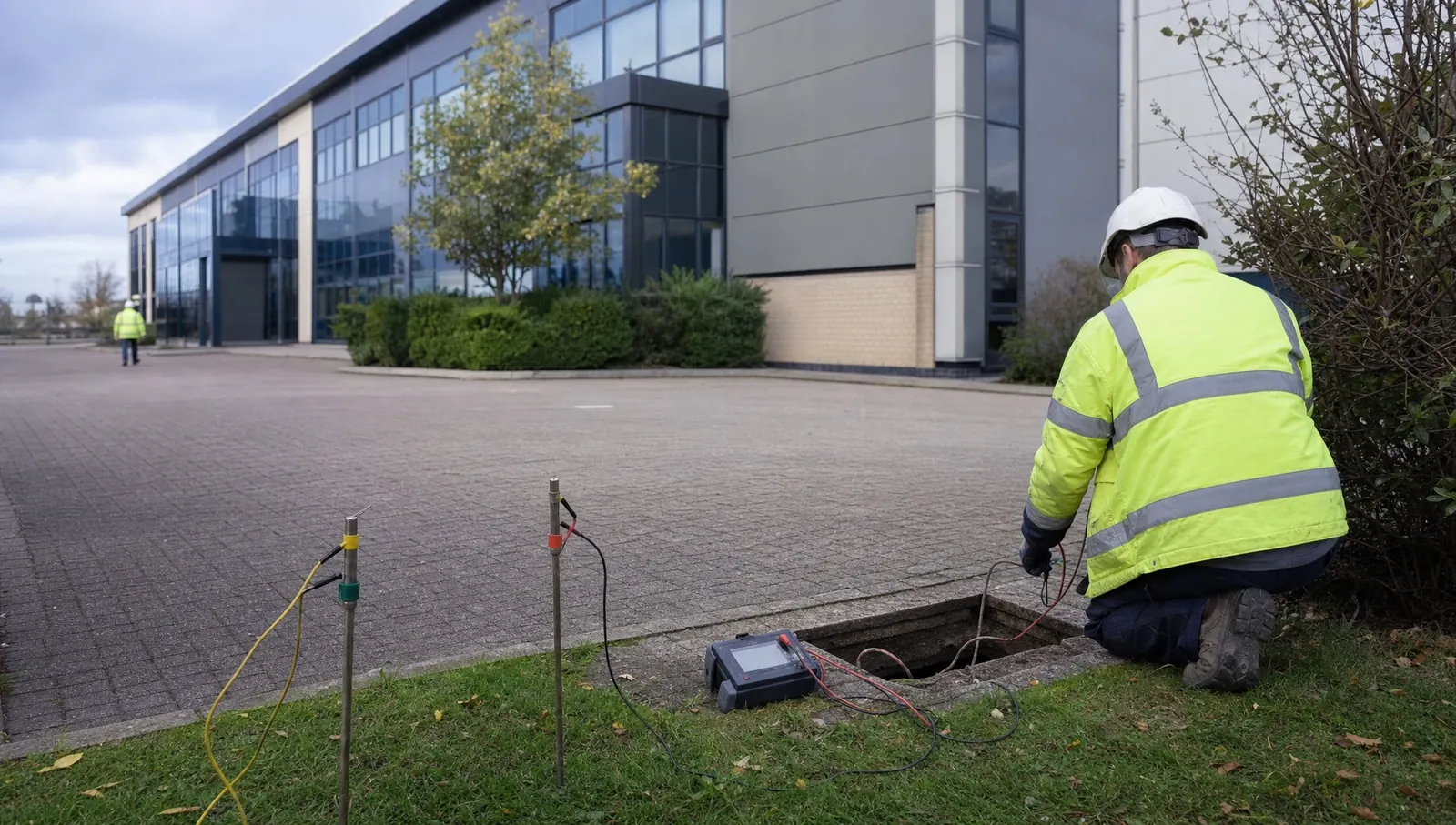
Our earthing system testing service from Lightning Protection Testing UK checks that the earth at your property does its job. We cover homes, flats, shops, factories and clinics across the UK. Our engineers measure the earth, record the data and determine whether it meets the standard.
A bad earth is a hidden risk. When a fault hits, metal parts can turn live and the supply may not switch off. A planned check is a cost effective solution compared with a failure, a shutdown or an injury.
 Earth test
 Checks
What Do We Check During an Earth Test?
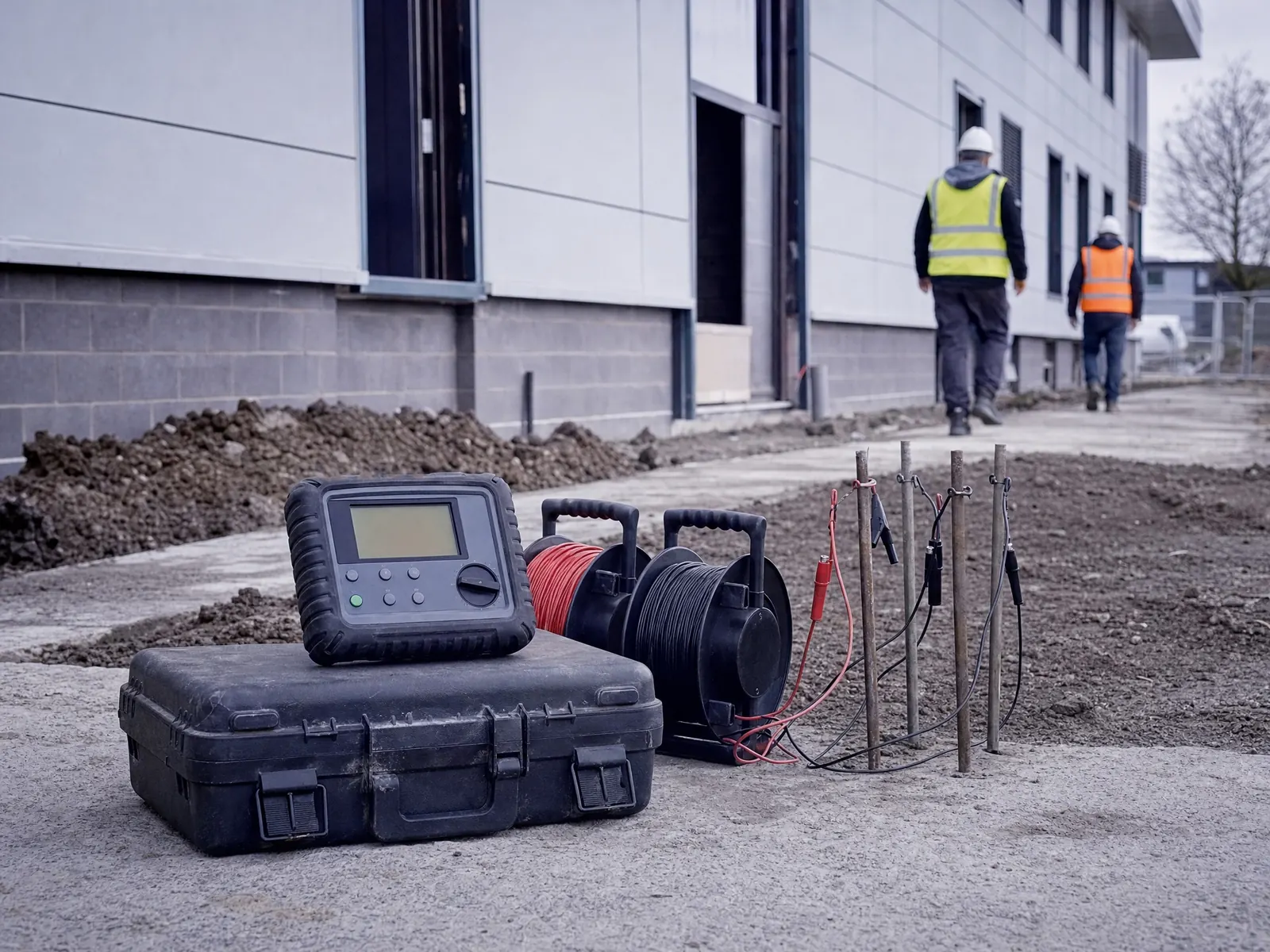
Our building earth testing service evaluates a building's grounding network. That network connects non-current-carrying metallic parts to the earth. Electrical earthing provides protection against fault currents, so a weak earth leaves people and equipment exposed.
A functioning earth system gives fault current a low-resistance path. That is how a protective device can cut the supply fast. We check the whole chain, from the electrode in the soil to the bonding on your pipes.
Which Tests Do Our Engineers Carry Out?
+Every site is different, but our core checks stay the same. Here is what we measure and inspect where it applies:
- Earth-electrode resistance testing
- Protective-conductor continuity testing
- Main and supplementary bonding checks
- Inspection of clamps, joints and conductors
- Checks for corrosion, physical damage or loose connections
- Review of previous results to identify deterioration
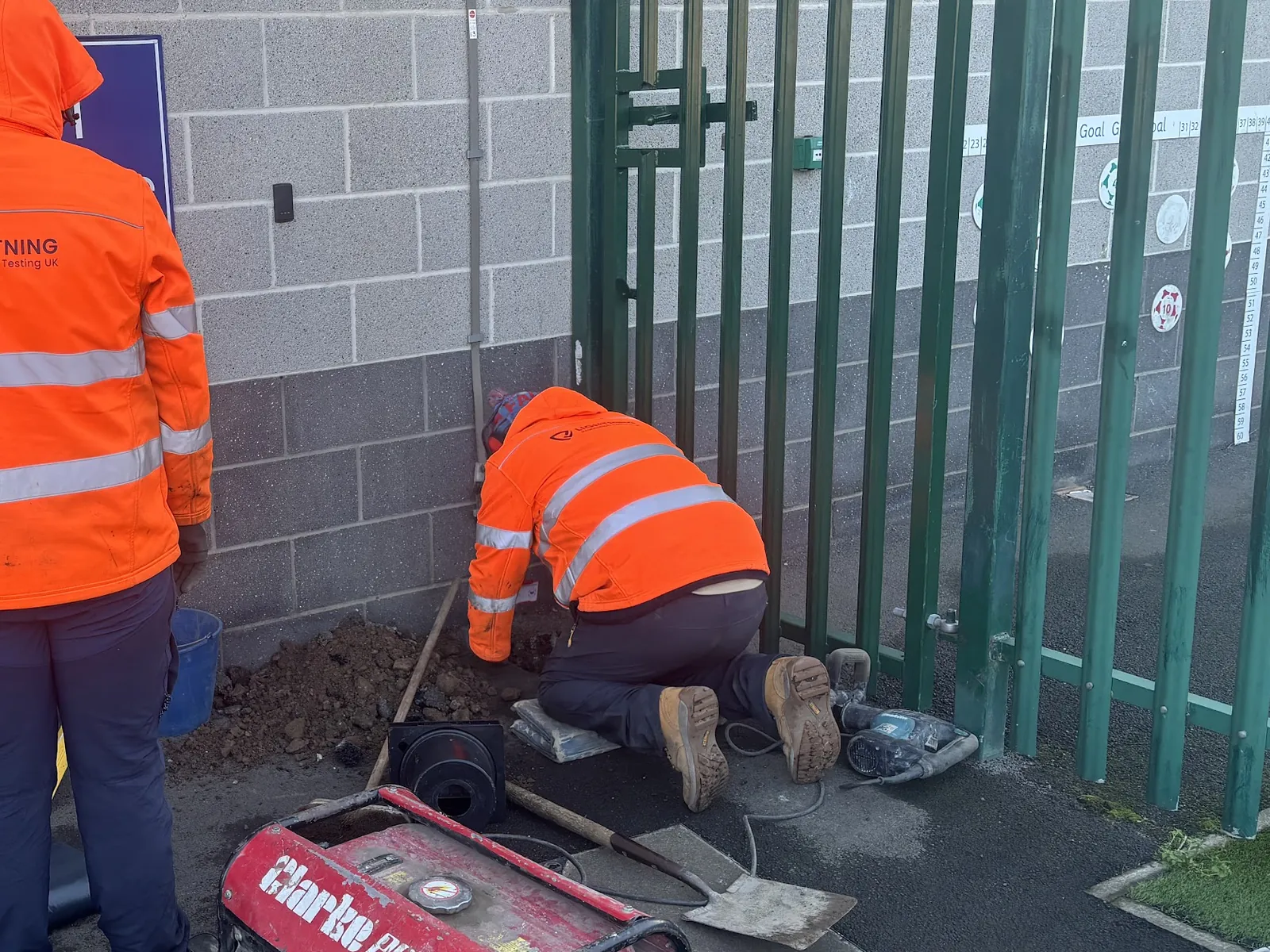
Earth resistance testing measures the resistance of an earth electrode. Earth continuity testing checks that protective conductors provide a reliable path. We also assess whether each path has the capacity to carry a full fault current.
Why Does a Good Earth Keep People Safe?
+Earth electrode systems protect personnel from dangerous voltages. A good earth can save a life, and it can extend the life of costly equipment. The system must safely dissipate fault current to earth, or touch voltages can rise on any metal casing you grab.
Proper grounding also stabilises the voltage profile of electrical systems. A suitable earth fault path ensures protective devices can operate correctly. Testing verifies the performance and safety of the electrical earth, which keeps everyone safe.
Who Needs Our Earth Checks and Why Do They Book Us?
We run our building earth testing service for domestic and commercial customers. Our customers range from home owners to plant managers, and we offer the same testing services to both.
Homes, Flats and Period Properties That Need an Earth Check
+An owner of a detached house often books us after an extension or a rewire. Flat owners and landlords call us when a new development is handed over or a lightning protection system is installed. Period homes with old pipework and tired bonding need a close look, because good bonding is essential.
Offices, Shops, Factories and Clinics That Need an Earth Check
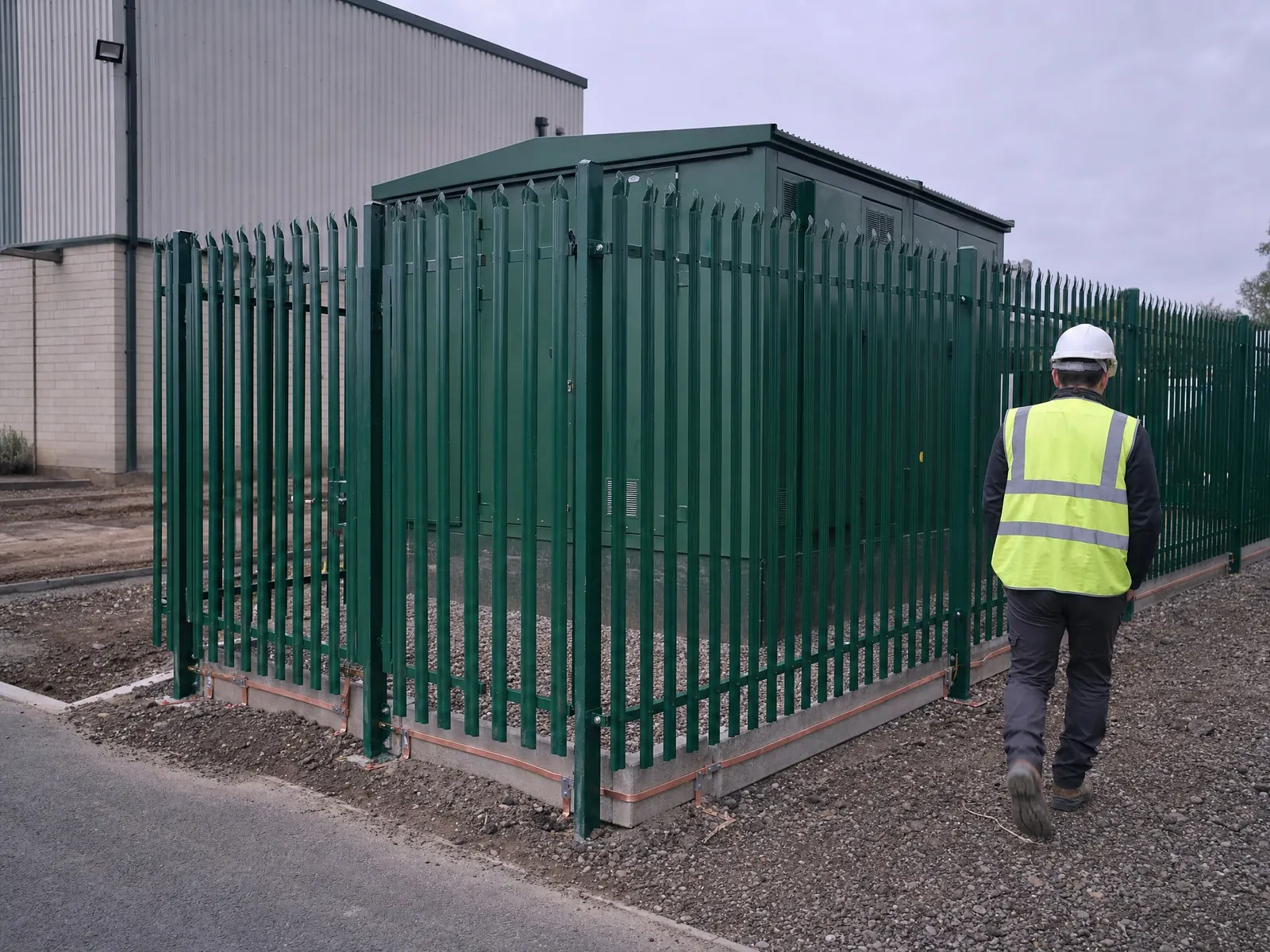
+Offices, shops and restaurants book us after a fit-out or when a new tenant moves in. Factories rely on a strong earth to keep machines and electrical systems stable, and a control panel with a weak earth can fail without warning. Clinics and any office full of computers need a steady earth for sensitive equipment.
Landlords and insurers often ask for documented test results. Those papers demonstrate that electrical safety has been assessed, and they back up your own assessments, so you can prove compliance when an auditor visits.
 Who books
 How often
How Often Should You Book Earth Testing?
Testing is important for new installations and following electrical alterations. Periodic inspection requirements depend on the installation environment. A damp or dusty environment needs checks more often than a dry one.
Many factors set the gap between tests, such as the age of the earth, the soil, the location and the environmental conditions. We discuss the recommended gap with you after the first visit.
What Goes Wrong in an Earth System Over Time?
+Corrosion and damage can compromise earth electrode systems over time. Environmental factors such as wet soil attack metal, and clamps loosen, so every earth electrode system ages. Resistance values can rise and fall with the seasons, and a rod installed in unstable ground can slip loose.
Periodic testing detects hidden defects before a fault occurs. We find broken earth conductors and poor connections. We also spot issues that may contribute to overheating, because poor joints create hot spots.
How Does Our Testing Process Work Step by Step?
Our process has three parts: planning, testing on site and reporting. Each step is clear, and we ensure you always know what happens next.
How Do We Plan the Visit and Survey the Soil?
+Soil resistivity testing is essential before earth system design. BS 7430:2011+A1:2015 requires on-site resistivity testing. We use high-specification equipment to measure the ground in situ.
Accurate soil resistivity data stops you paying for an earth that is over-designed or under-designed. These surveys also inform the conductor requirements for earth electrode systems. Good planning starts before we arrive, so we ask for site drawings and prior test reports, and we ensure our equipment is calibrated and ready.
How Do Our Engineers Test the Earth on Site?
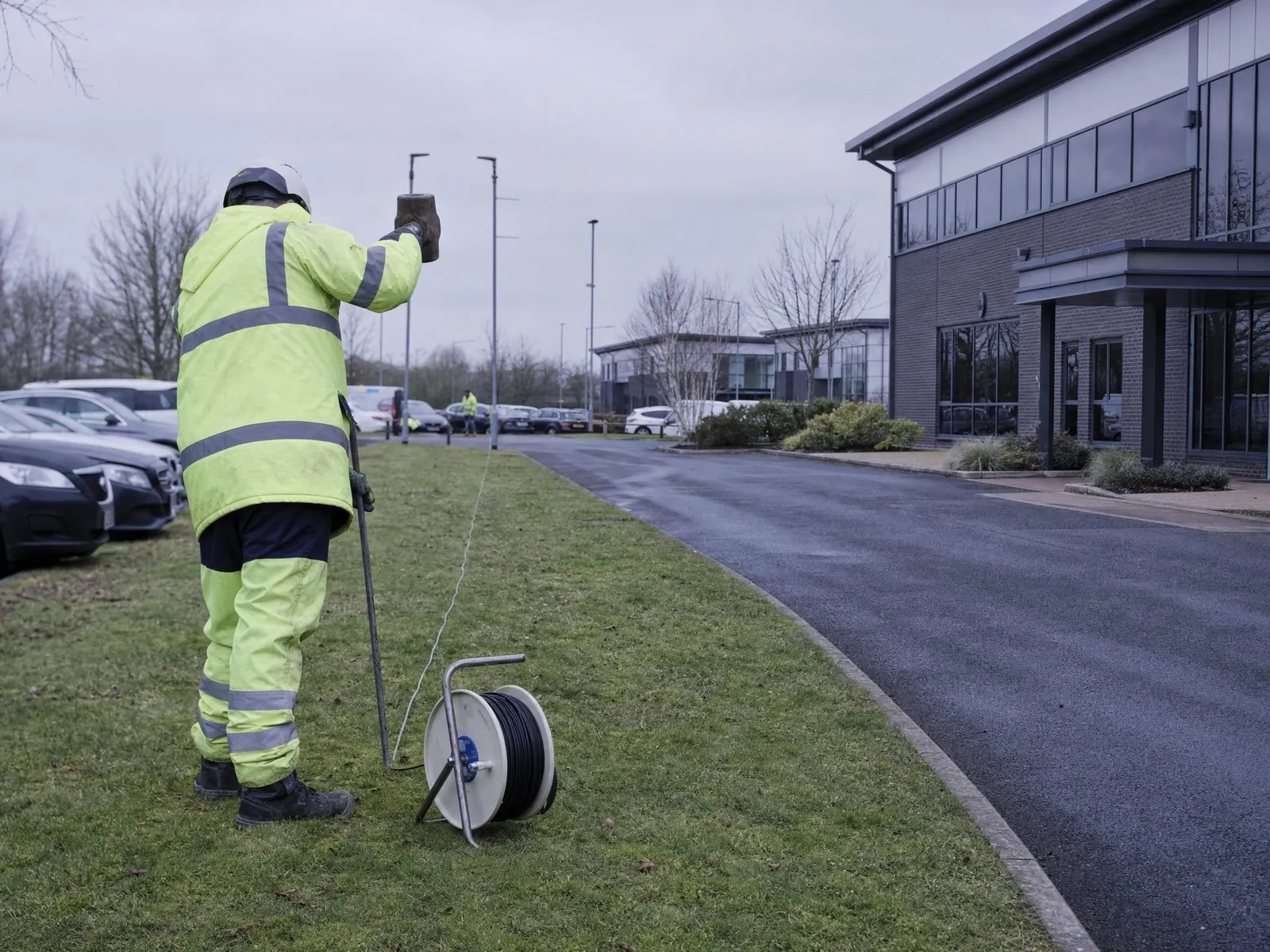
+Every visit starts with a visual inspection of rods, test points, clamps and joints. Specialist technicians use diagnostic equipment to measure earth resistance, and we test each earth electrode system one by one in situ to determine its true condition.
Testing is carried out in accordance with BS 7430:2011+A1:2015. Earth electrode system design follows the same standard, so our approach matches the intended design. We also check touch voltage near down conductors, metal railings and machine frames.
Earth tests can involve hazardous voltage conditions and live installations. We plan the work, isolate where we can, and keep people clear, even in a busy setting such as a shop floor.
What Do You Get After the Test Is Completed?
+You get a written report with each value and a note on every fault. Every reading is analysed against the standard before it goes in.
If repairs are required, we flag them and tell you how urgent they are, so you can act without delay. We recommend a retest once the work is completed, to ensure you have a clean result on file.
 Process
 Materials
What Do Material Testing Services Add to Earth Testing?
Some projects need more than a meter check. Our material testing services show what your earth is made of and what surrounds it.
Which Materials Does Your Earth Electrode System Use?
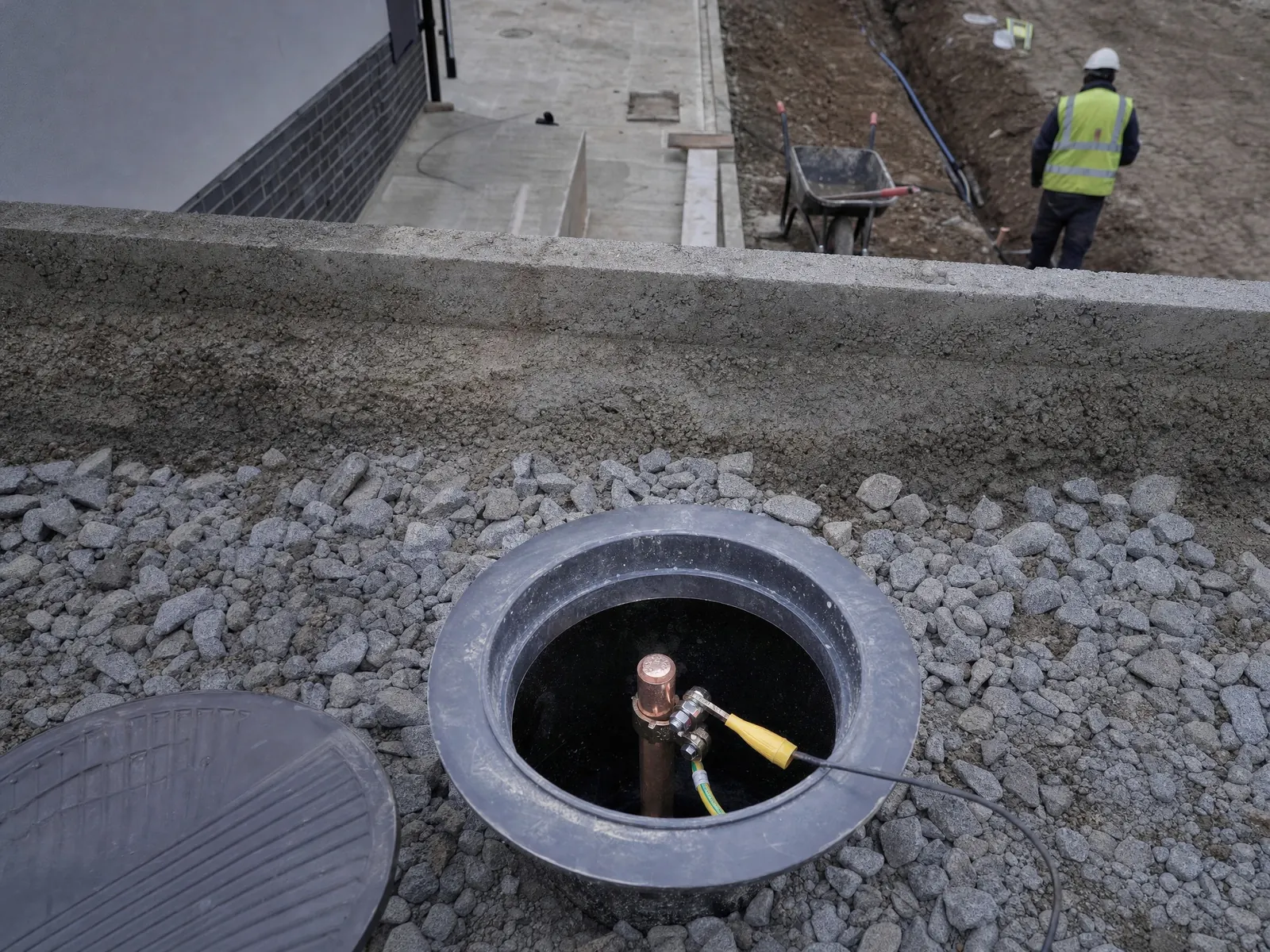
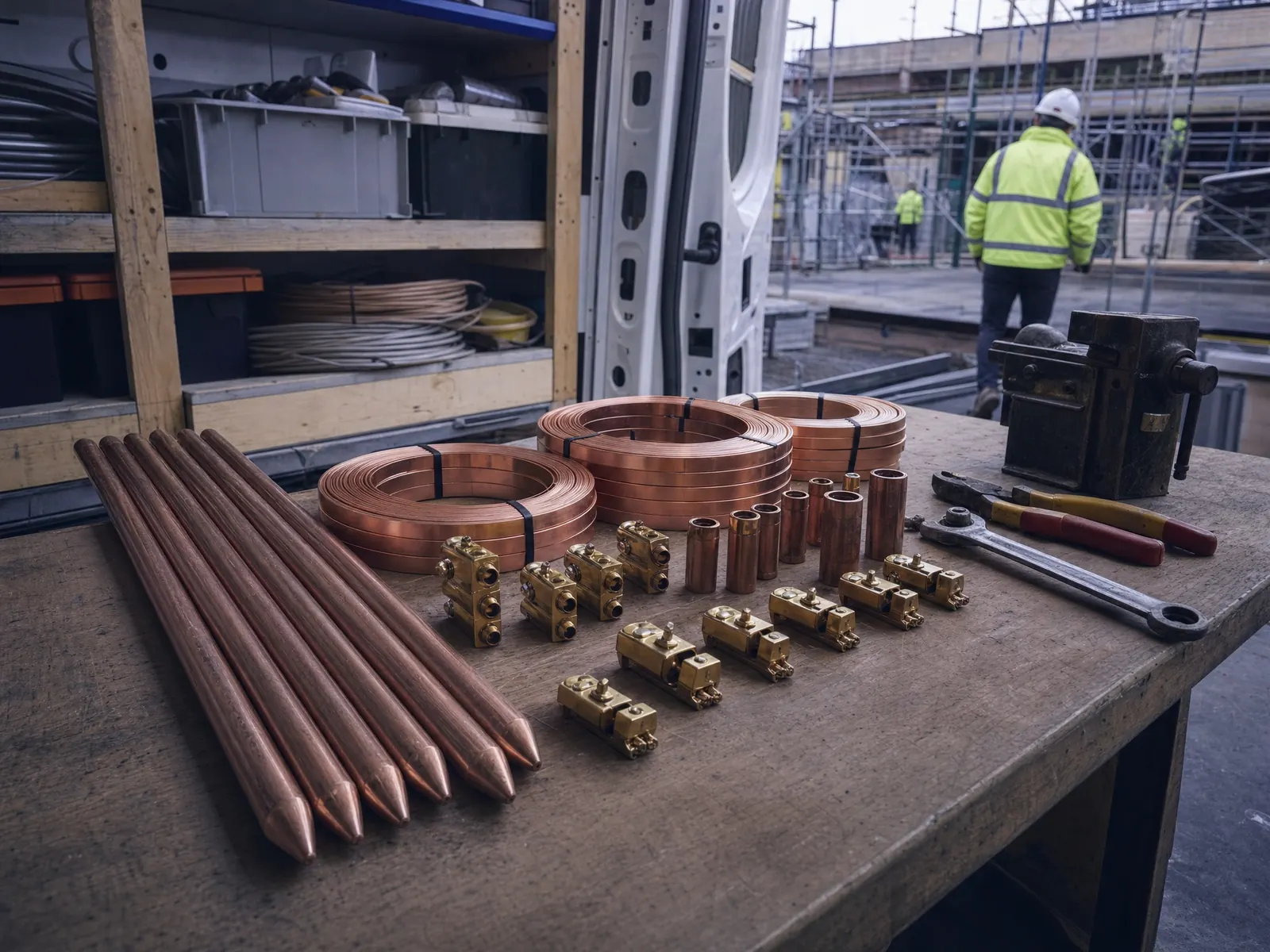
+We identify the range of materials in your rods, plates, tapes and clamps. Galvanised steel costs less but can rust faster in acid soil.
Mixing metals can speed up corrosion, so we check every joint of your earth electrode system. Then we tell you which materials are suitable for repairs.
How Do Laboratory Checks Help Your Earth Electrode System?
+When the ground looks harsh, our engineers arrange laboratory analysis of soil samples. Samples are analysed for moisture, acidity and salts, the environmental factors that attack buried metal. The laboratory results tell us which materials will last in your soil.
Why Do Clients Choose Lightning Protection Testing UK?
We are a UK wide team with a wealth of experience in earth and lightning work. As a specialist lightning protection company, our trained engineers follow the British Standards, providing a clear report that shows compliance for every project. Clients like one call and one visit, and you can read what they say in our reviews.
We also offer lightning protection testing, risk assessments and maintenance. Booking these services alongside an earth test means one visit and one report for your whole system. Our testing services cover a wide range of sites, so wherever your location, our team travels to you.
 Our team
How Much Does Earthing Testing Cost?
Here are our rough prices based on recent projects. They cover the test, the readings, the data and your written report.
- Small home with a single earth electrode system: about £240, usually between £150 and £400
- Larger home, small block of flats or shop: about £450, usually between £300 and £700
- Large commercial or industrial site with several earth electrodes: about £1,000, usually between £700 and £1,600
Many factors move the price, such as the number of electrodes, how easy the site is to reach and how far we travel. Soil resistivity surveys and laboratory work come on top, and we quote them separately.
These prices are a rough guide and the actual cost varies from site to site. Please use our contact form for an accurate quote.
 Free quote
Get a Free Quote for Earth Testing From Lightning Protection Testing UK
Ready to know if your earth is safe? Lightning Protection Testing UK offers a free quote on all our services, with clear prices and no jargon. Tell us your property type, where it is and when you want us on site.
Do not let a weak earth fall down your to-do list. Contact us today and request your free quote. We agree a date and send our engineers.
Earthing testing FAQs
What is an earthing system testing service?
An earthing system testing service checks that the earth at a property gives fault current a low-resistance path, so protective devices can cut the supply quickly. Engineers measure the earth, record the readings and issue a clear written report. It covers homes, flats, shops, factories and clinics across the UK.
How much does earthing system testing cost?
Earthing system testing costs about £240 for a small home with a single earth electrode system, usually between £150 and £400. A larger home, small block of flats or shop is about £450, and a large commercial or industrial site is about £1,000. These figures are a rough guide and the actual cost varies from site to site, so request a free quote for an accurate price.
How often should earthing system testing be carried out?
Earthing system testing should be carried out on new installations and after electrical alterations, with periodic checks after that. The gap depends on the installation environment, so a damp or dusty site needs checks more often than a dry one. Our engineers agree the recommended gap with you after the first visit.
Which tests are carried out during earthing system testing?
Earthing system testing includes earth-electrode resistance and protective-conductor continuity testing, plus checks on main and supplementary bonding. Engineers also inspect clamps, joints and conductors for corrosion, physical damage or loose connections. Results are compared with previous reports to spot any deterioration.
Which properties need an earthing system testing service?
Homes, flats, period properties, offices, shops, factories and clinics all need an earthing system testing service. Owners often book after an extension, a rewire or a fit-out, when a new tenant moves in, or when lightning protection is installed. Landlords and insurers also ask for documented test results.
What do you receive after earthing system testing?
After earthing system testing, you receive a written report with each measured value and a note on every fault. Where repairs are required, we flag them and tell you how urgent they are. We recommend a retest once the work is completed.