
Unsure Your Lightning Protection System Works? We Test It
Lightning Protection Testing Service
Lightning Protection System Testing for Offices, Factories, Warehouses and Hotels
Lightning Protection Inspection and Earth Resistance Testing Across the UK
- BS EN 62305 testing
- Written report every visit
- Faults ranked by urgency





Get a free quote for lightning protection testing
Tell us where the building is and what you need. An engineer replies with a price and the next available date.
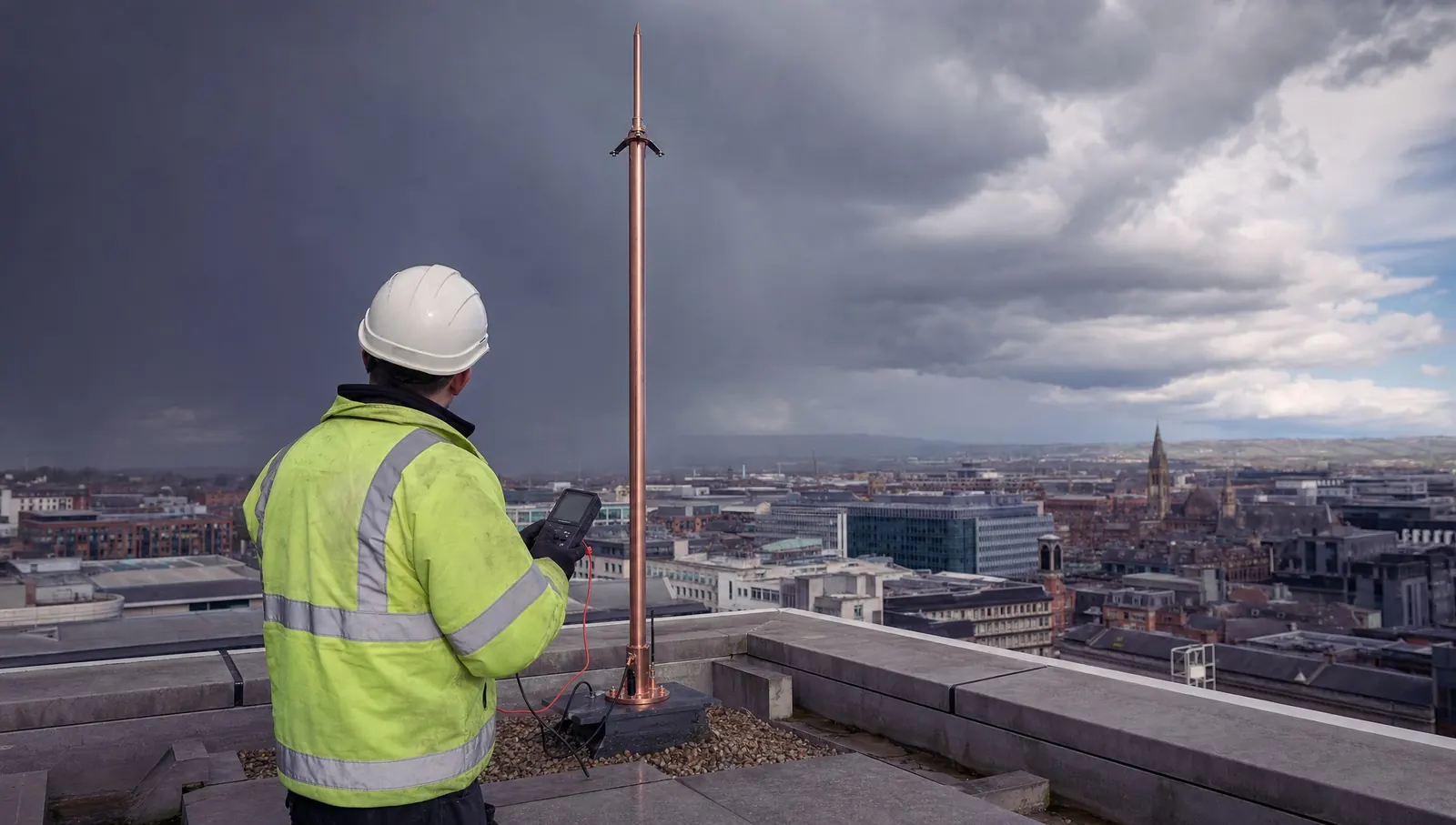
Our lightning protection testing service covers commercial and industrial sites right across the UK. At Lightning Protection Testing UK, we test your lightning protection system, report on what we find and tell you what needs fixing. Lightning protection testing verifies that your system works and stays reliable.
As a lightning protection company, we work with offices, factories, warehouses, hotels, shops, clinics and server rooms. Most clients want proof that their lightning protection will do its job when a storm hits.
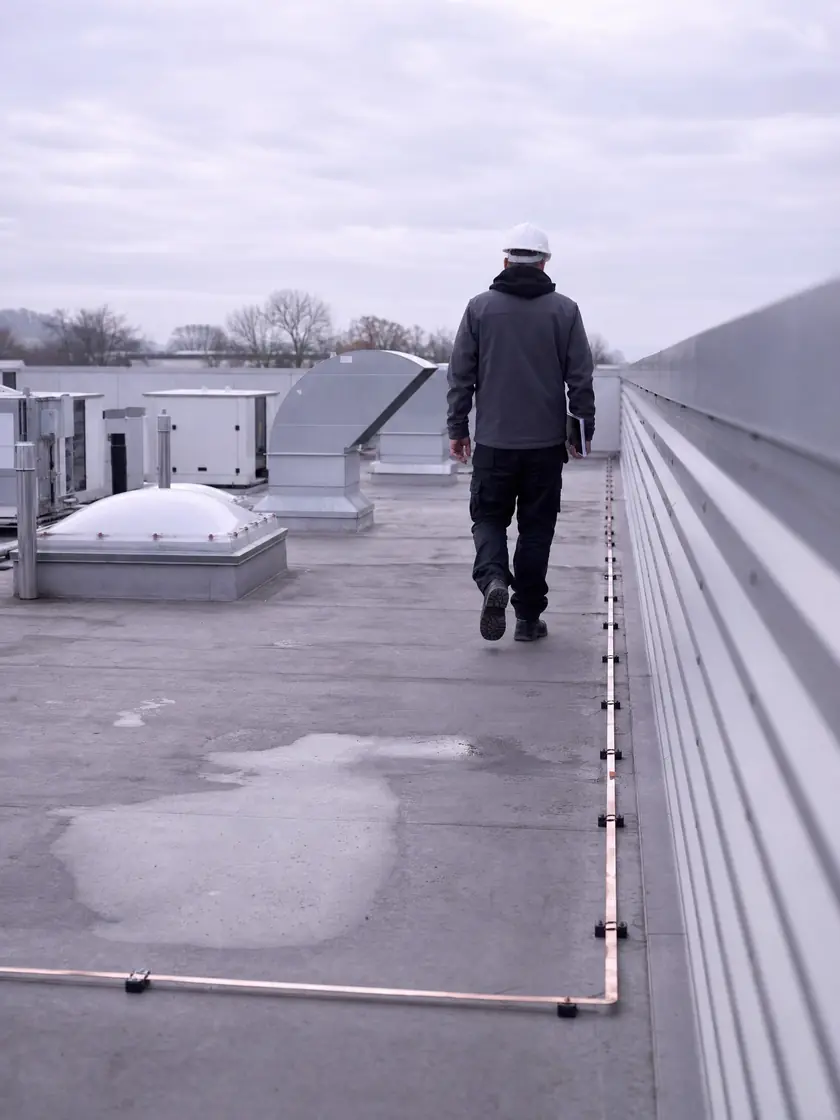 Roof walk
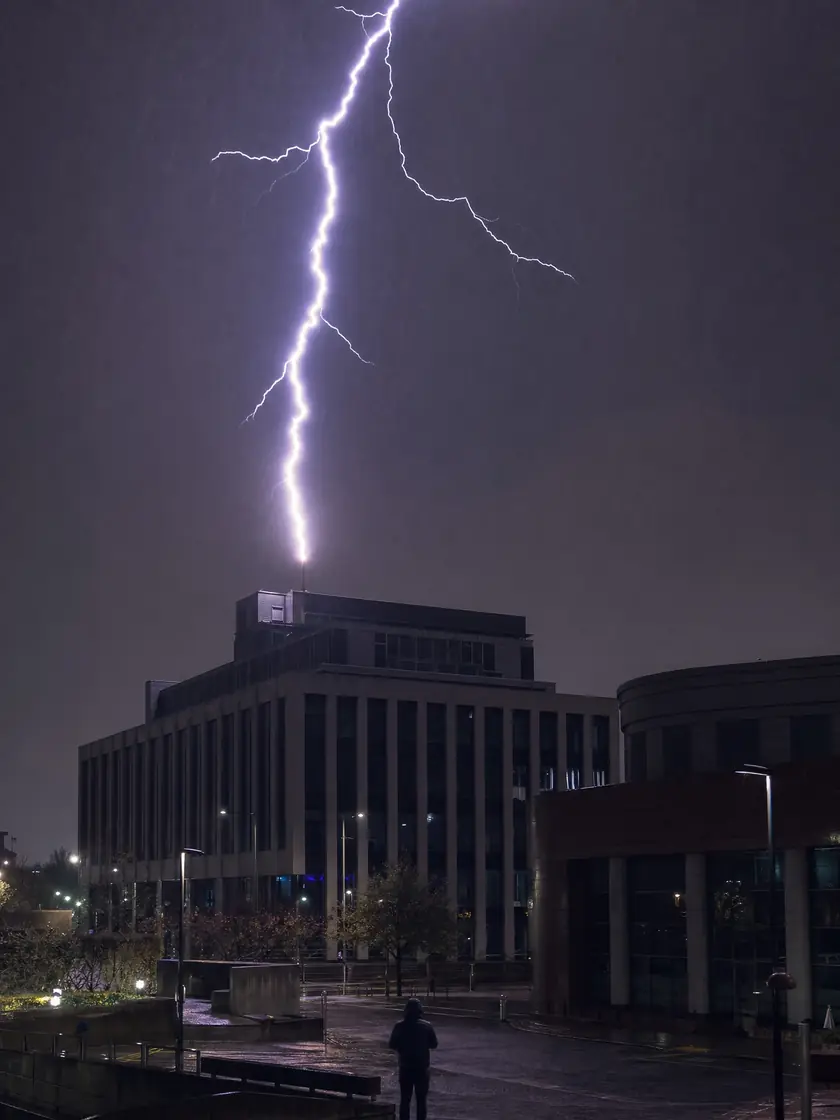 Strike to earth
Why Does a Lightning Protection System Need Regular Testing?
What Lightning Strikes Do to a Commercial Building
+The UK gets an estimated 200,000 to 300,000 lightning strikes every year. That works out at roughly 550 to 820 a day. Storms are more common in summer, but they can hit at any time of year, and the East Midlands and south-east England see more than most.
A lightning channel can reach about 30,000°C. That is around five times hotter than the surface of the Sun, and the channel is only a few centimetres wide. Direct lightning strikes on a roof can start fires, cause explosions or bring part of a structure down.
Fire is not the only risk. Even nearby lightning strikes can push an electrical discharge through cables and wreck sensitive equipment and electrical systems in seconds. In hospitals and data centres, it can knock out critical systems and critical functions that people depend on.
How Lightning Protection Carries a Strike to Earth
+A lightning protection system does three jobs. Air terminals, also called lightning rods, sit on the roof and catch the strike. Down conductors then carry the lightning current to your grounding systems, which spread it into the soil.
Done right, lightning protection systems let a building take a lightning strike safely, with no physical damage on the way down. Some people call the whole kit a lightning conductor system, and a few say lightning absorber, but the job is the same. Our lightning protection testing proves your lightning protection system remains effective.
Why a System That Looks Fine Can Still Fail
+Inadequate lightning protection puts life and property at risk, and a tired lightning protection system gives false comfort. You cannot see most faults from the ground. Joints corrode, fixings come loose, wind bends the lightning rods and roof work cuts a down conductor unnoticed.
One broken link can leave you with structural damage, a fire or a dead server room. Regular inspections find hidden faults in air terminals, down conductors and grounding systems before they fail. Routine testing also helps you avoid sudden downtime.
What Do We Check During a Lightning Protection Inspection?
Testing is more than a quick look from the ground. Professional testing checks the physical condition and electrical resistance of your lightning protection systems. Our lightning protection systems inspection pairs a visual inspection with readings, so nothing hides behind a clean-looking roof.
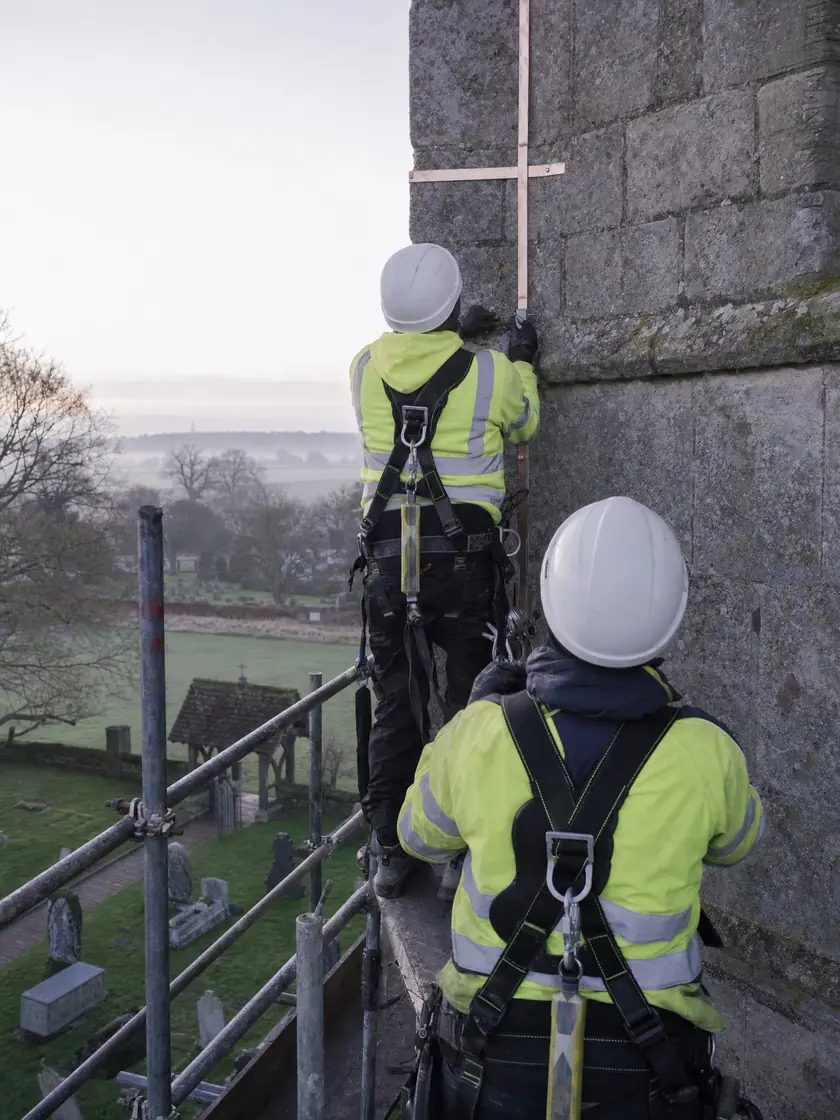
The Visual Inspection We Carry Out on Site
+We walk the system from end to end. Here is what we look at:
- Air terminals, lightning rods, conductor tapes and fixings
- Corrosion, accidental damage and loose parts
- Joints, clamps, bonds and test points
- Continuity through the whole system
- Earth electrode resistance readings
- Surge protection devices, where fitted
- Roof or structural alterations nobody recorded
- Earlier readings, so we can spot wear over time
A visual inspection tells us what has changed on the building, from loose lightning rods to cracked fixings. The readings then tell us if your lightning protection system still works.
Electrical Tests, Earth Resistance Testing and Surge Protection
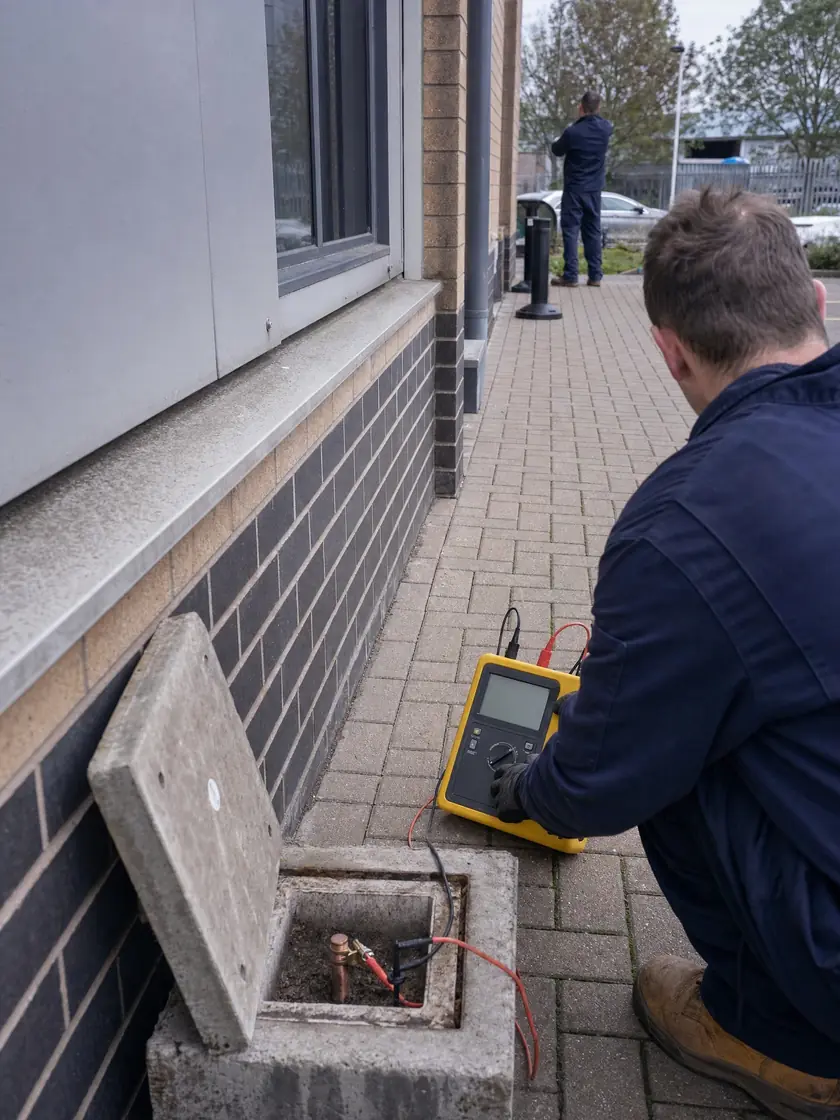
+We test continuity to prove lightning current can pass from the air terminals all the way to the ground. Then we measure the earth termination system. This test shows how well your grounding systems and ground electrodes pass lightning strikes into the soil.
Surge protection is the second line of defence for your electrical systems. We check your surge protection devices to confirm they work. They divert spare electrical energy away from your internal systems, so power surges do not reach your electrical and electronic systems.
The Detailed Report You Get After Every Visit
+It shows the condition of the system and any repairs it needs. We list urgent jobs first, so you can plan ongoing maintenance in the right order. Our lightning protection maintenance service can then keep your system in good order between tests.
The report also acts as an inspection record that proves the system's integrity to insurers and auditors. It lists every reading against BS EN 62305.
Your lightning protection records sit alongside other electrical inspections, such as fixed wiring checks. Many clients book us on the same day as their electrical inspections. A poor earth bond in your electrical installations can hurt both, so we flag it.
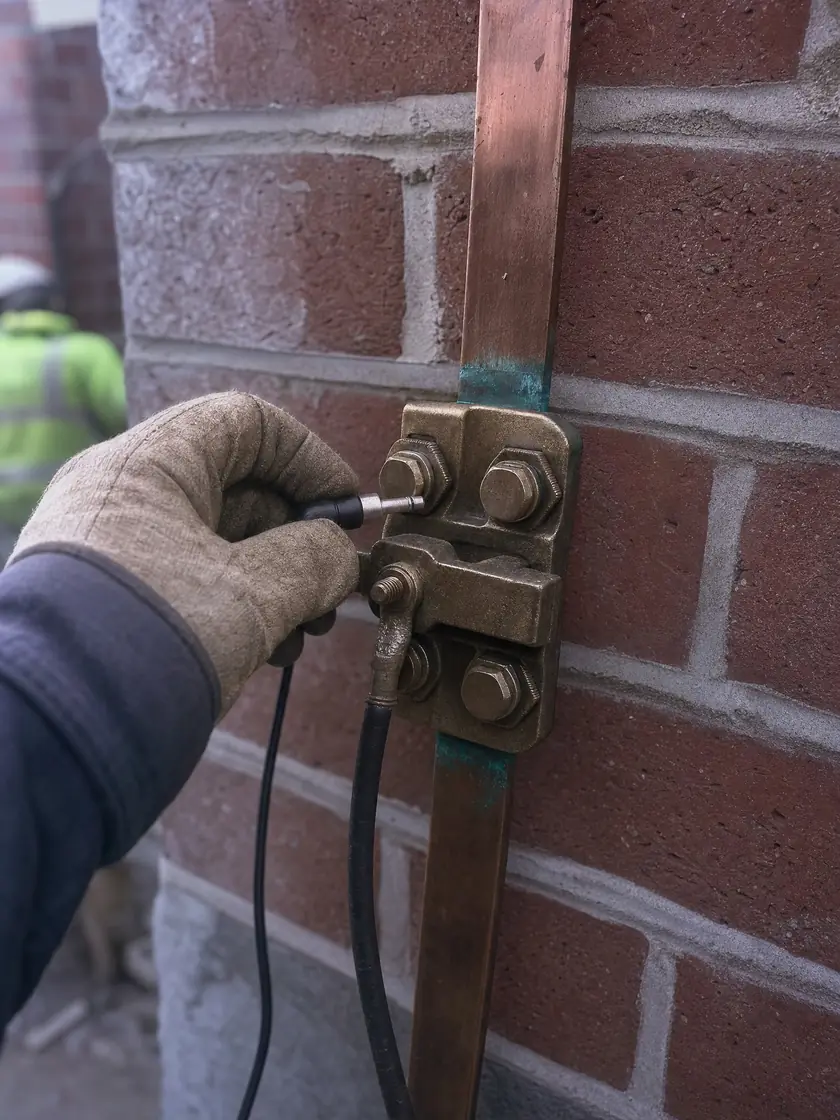 Test clamp check
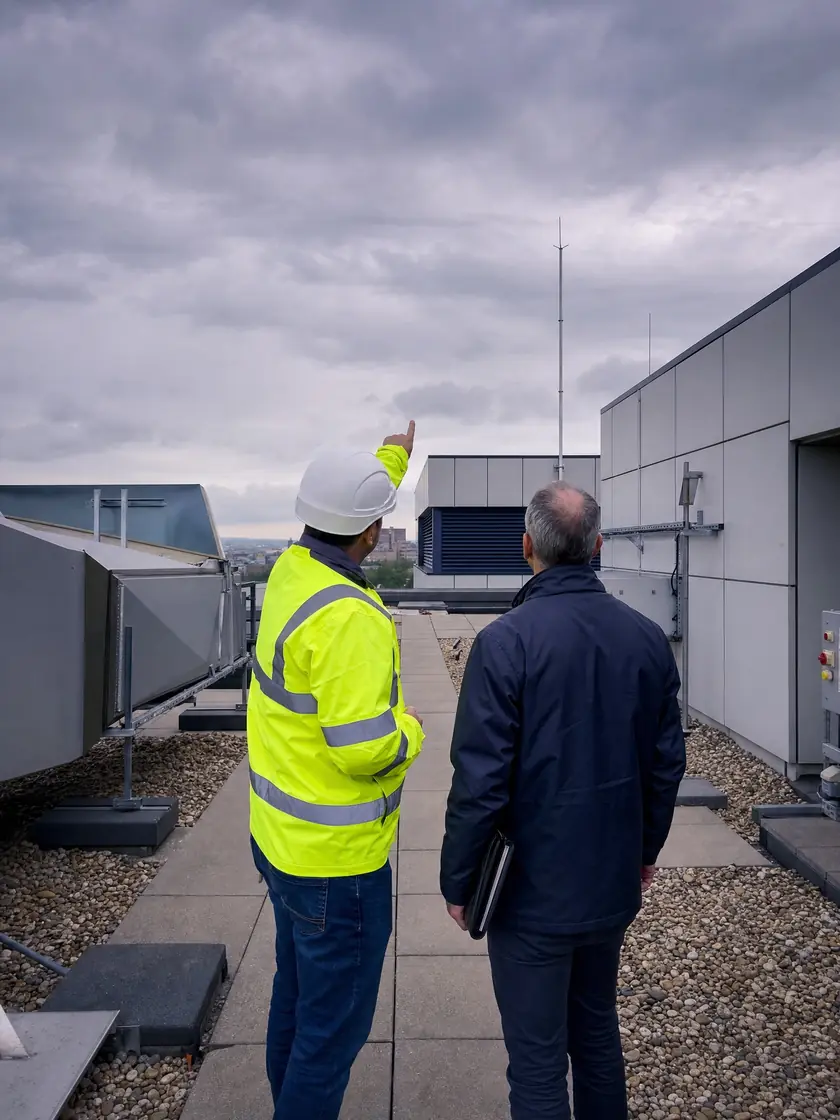 Compliance
Which Standards and Laws Does Our Lightning Protection System Testing Follow?
BS EN 62305 and the Lightning Protection Regulations
+BS EN 62305 is the current UK standard for lightning protection systems. It replaced BS 6651 in 2008, and it is one of the British Standards we work to on every site. Other British Standards cover related work, such as earthing. The standard has four parts:
- General principles
- Risk management
- Physical damage to structures and danger to life
- Protection of electrical and electronic systems
Part three covers inspection and upkeep, which is where our work sits. These lightning protection regulations and relevant safety standards set how often we test and what we write down. We tell you which relevant regulations apply to your site.
Electricity at Work Regulations, Insurance and Your Legal Obligations
+The Electricity at Work Regulations 1989 require electrical systems to be kept in a safe condition. Some people call it the Electricity at Work Act, but the proper name is the regulations. If you employ people, you must prevent danger, and routine testing supports your wider health and safety duties.
No law says every building must have lightning protection. Once you have a system, though, keeping it working supports your legal requirement to keep electrical installations safe. Insurers often ask for test records too, and our reports help you maintain compliance and answer questions fast.
When Should You Book Lightning Protection Testing?
How Often Do You Need Regular Testing?
+Many insurers want a test every year. BS EN 62305 sets the gap by risk level, so a quiet office and a fuel store will not follow the same cycle. Sites with flammable materials or sensitive equipment, and sites in areas with frequent lightning strikes, get the tightest schedule.
Regular testing also builds a history. Comparing this year's readings with last year's shows slow decline in your lightning protection long before it becomes a failure.
When Do You Need Testing After a Storm or Building Work?
+Testing frequency may go up after severe weather. A lightning protection system needs inspection after a direct strike, even when nothing looks wrong, because lightning strikes can crack bonds you cannot see. Our post lightning strike inspection service checks bonds, conductors and earth readings so you know the system is safe. Met Office lightning data is timed to a millionth of a second and places strikes within about 2 to 2.5 kilometres, so you can often tell if a storm passed close to your site.
Building work matters too. Structural modifications such as a new plant room, a roof extension or a solar array can break the path to earth. A new lightning protection system installed last month still needs a first test to prove it was installed correctly. We also offer a lightning protection installation service if your site needs a new system fitted.
Does Your Site Need Extra Lightning Cover?
+Not every building will need lightning protection, but a lightning protection risk assessment will tell you if yours does. Some sites require enhanced lightning protection, such as fuel stores. Good risk management starts with that assessment, and our testing then proves the system matches it.
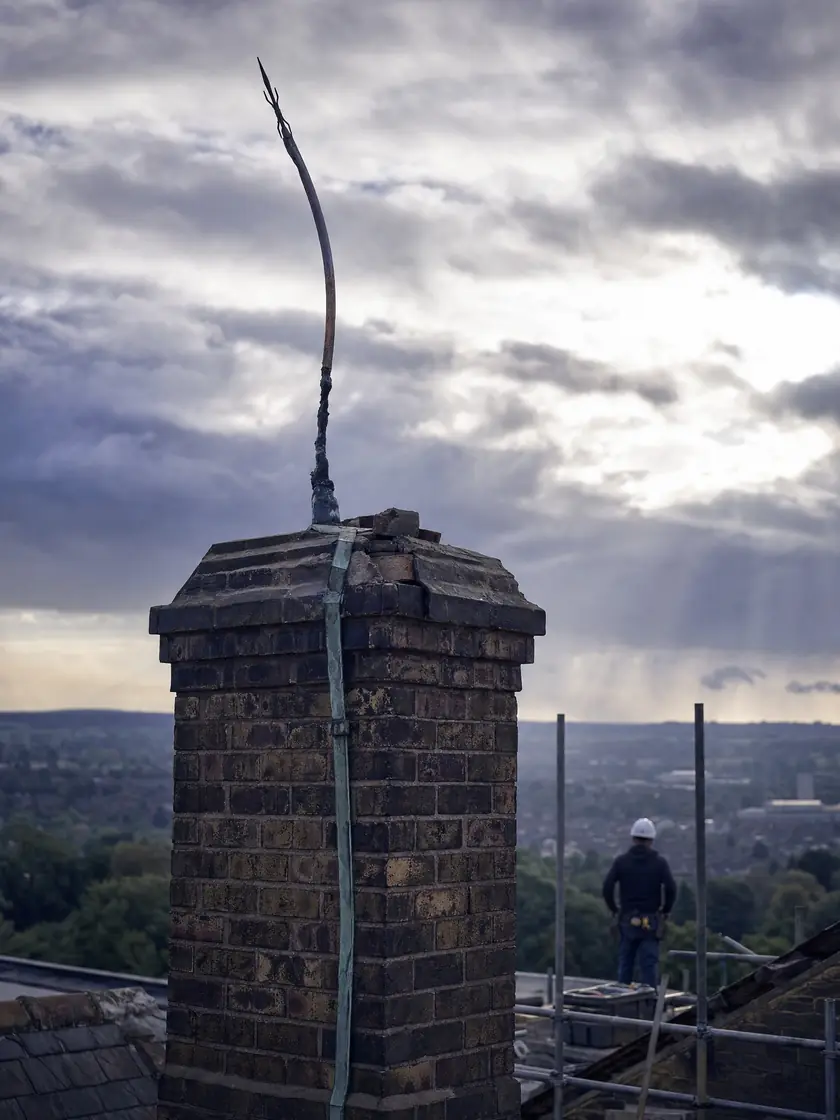 After a storm
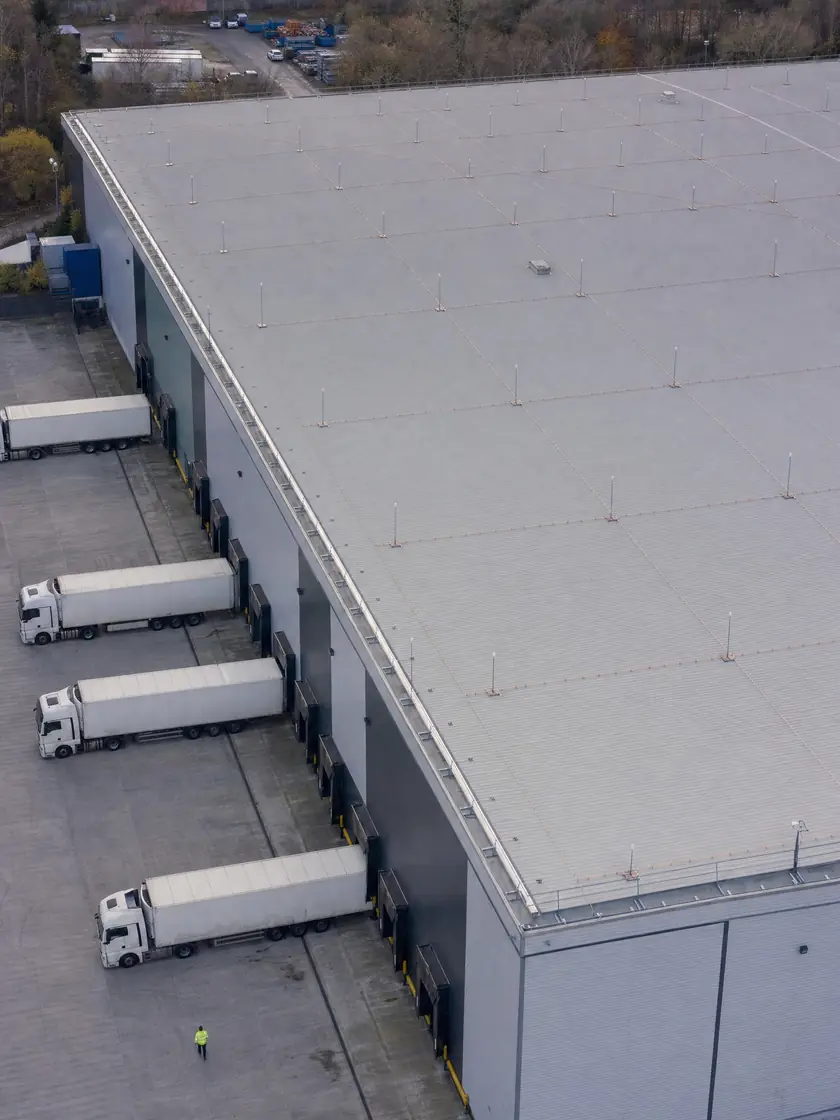 Industrial roof
Which Businesses Use Our Lightning Protection Testing?
Offices, Hotels, Shops and Restaurants
+A commercial building with a tall roof, a lift motor room and a comms room is a typical booking. A building owner often calls us at lease handover or when an insurer asks for fresh records. Hotels and restaurants book before storm season, because lightning strikes during service can force an evacuation.
Factories, Warehouses and Industrial Facilities
+Factories and warehouses hold stock, fuel and gas, and lightning strikes near them are a real fire risk. Plant managers book us when sheds get extended or when an insurer wants proof. Industrial facilities also lose output fast when control panels trip, so we check every protective device on each lightning protection system testing visit.
Hospitals, Clinics and Server Rooms
+These sites cannot afford downtime. We test the earthing, and where a site uses electromagnetic shielding, we check it sits properly within the protection. That keeps servers, scanners and alarms running when lightning strikes close by.
Historic Buildings and Property Owners
+Property owners with mills and old hotels often have older conductors and weathered fixings. We test them with care and report on anything that needs attention.
How Does Our Lightning Protection Inspection Process Work?
Every lightning protection systems inspection follows the same steps. You send us your site details and we agree a date. Our team of qualified professionals visits, walks the roof, tests the lightning protection system and sends you the report.
If we find faults, we tell you which matter most and which can wait. Need repairs, lightning protection upgrades or ongoing maintenance afterwards? We can point you in the right direction.
 Earth test
How Much Does Lightning Protection Testing Cost?
Our Typical Prices by Site Size
Here are our rough prices based on recent projects, shown without VAT. For a small commercial building, such as a shop or small office, we typically charge around £350 for a full test and inspection. A medium site, such as a larger office block, hotel or warehouse, usually costs £600 to £800.
Large industrial sites, tall buildings and data centres often come in at £1,200 to £1,500 or more. If a site only needs earth resistance testing through our earthing system testing service, that usually costs around £250.
What Pushes the Price Up or Down
The price moves with the number of lightning rods, down conductors and earth points on your site. Hard roof access, older systems and many protective devices all add time. A clean, well-recorded system with easy access costs less to test.
These prices are a rough guide only, and the actual cost varies from site to site. Please get in touch using our contact form and we will give you an accurate quote.
 Heritage work
Why Do UK Businesses Choose Lightning Protection Testing UK?
Our lightning protection services cover England, Scotland, Wales and Northern Ireland. Our engineers work to BS EN 62305 and the wider safety standards, and they write reports in plain English. Our job is to ensure safety for your staff, your visitors and your equipment.
You get clear answers, a written quote and records you can show to anyone who asks, and you can read what customers say in our reviews. That helps you ensure compliance without chasing paperwork. Most of all, it gives you peace of mind that your lightning protection systems will work when it counts. Your team can run the business with peace of mind all year.
Get a Free Quote From Lightning Protection Testing UK Today
Tell us about your site through our contact form. Lightning Protection Testing UK will come back with a free quote and a date that suits you. Book lightning protection testing now and know your lightning protection works before the next storm arrives.
 On site
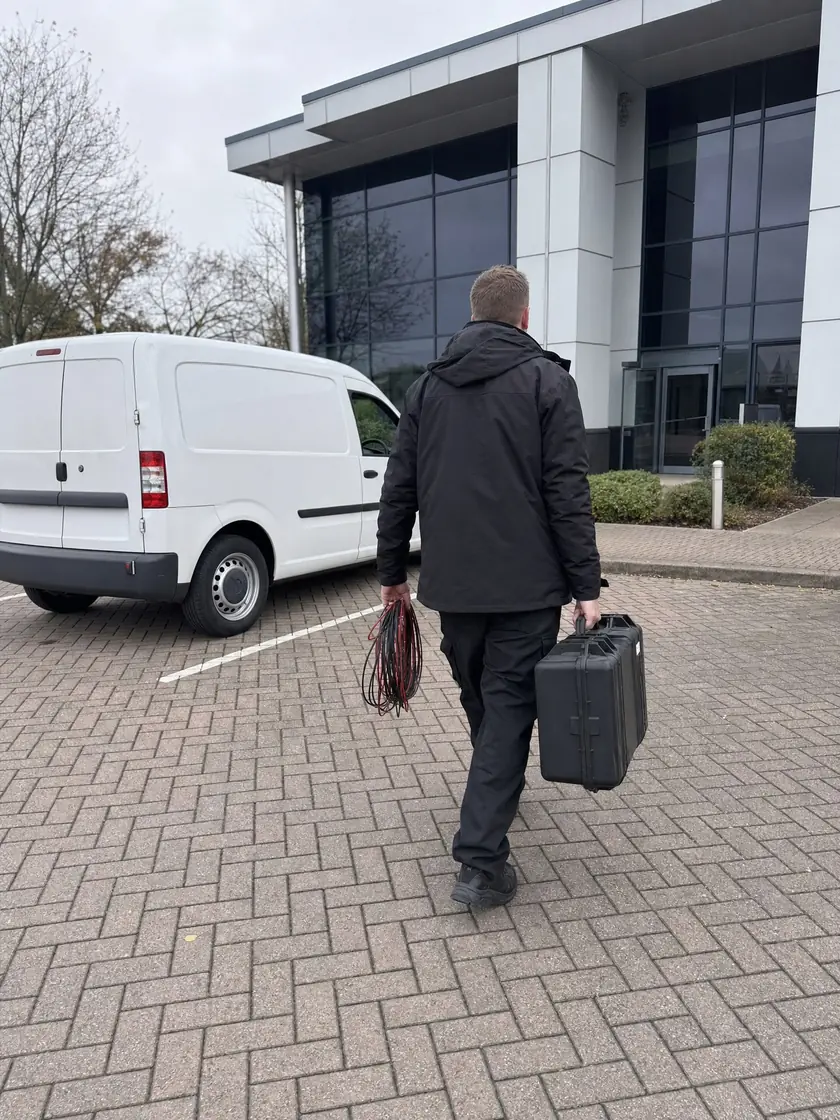
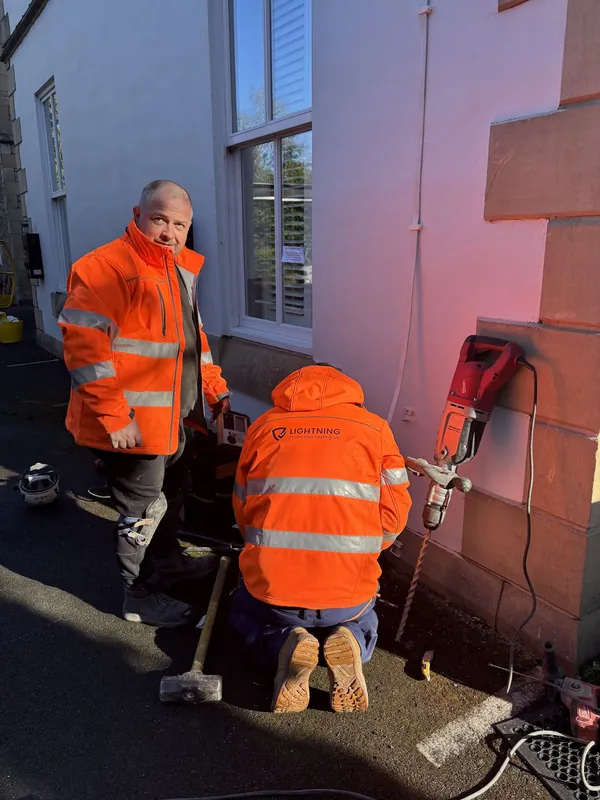
Testing on site, not from a desk
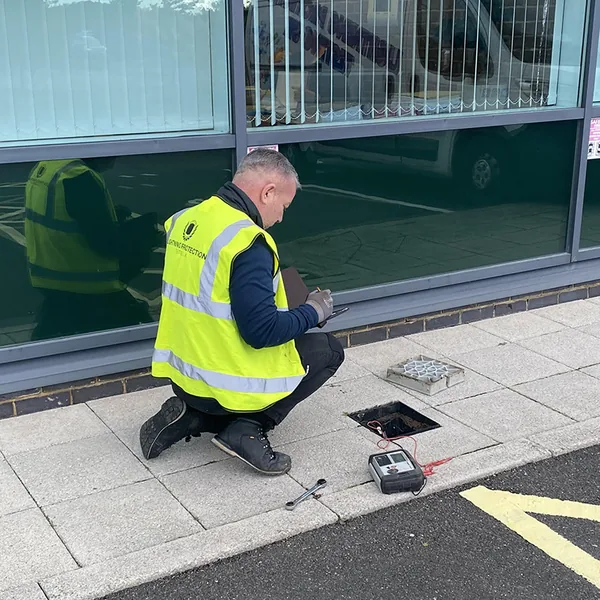
Earth testing at an inspection pit, and a test meter reading at another pit.
Lightning protection testing FAQs
How much does lightning protection testing cost in the UK?
Lightning protection testing in the UK costs around £350 for a small commercial building such as a shop or small office, £600 to £800 for a medium site, and £1,200 to £1,500 or more for large industrial sites, tall buildings and data centres. These prices are shown without VAT, are a rough guide only and the actual cost varies from site to site. Contact us for an accurate quote.
How often does a lightning protection system need testing?
A lightning protection system needs testing at a gap set by its risk level, and many insurers want a test every year. BS EN 62305 sets the cycle, so a fuel store or a site with sensitive equipment follows a tighter schedule than a quiet office. A system also needs inspection after a direct strike or building work that could break the path to earth.
What does a lightning protection inspection involve?
A lightning protection inspection involves a visual check of air terminals, lightning rods, conductors, joints and fixings, followed by electrical readings such as continuity and earth resistance. We also check surge protection devices where they are fitted. You then receive a detailed report that shows the condition of the system and lists urgent repairs first.
Is lightning protection testing a legal requirement in the UK?
Lightning protection testing is not a legal requirement for every building, because no law says every building must have lightning protection. Once you have a system, though, keeping it working supports your duty under the Electricity at Work Regulations 1989 to keep electrical installations safe. Insurers also often ask for test records.
Which standard does lightning protection testing follow in the UK?
Lightning protection testing in the UK follows BS EN 62305, the current standard for lightning protection systems, which replaced BS 6651 in 2008. Part three covers inspection and upkeep, and it sets how often we test and what we record. Our reports list every reading against this standard.
Why does a lightning protection system need regular testing?
A lightning protection system needs regular testing because most faults cannot be seen from the ground. Joints corrode, fixings come loose, wind bends the lightning rods and roof work can cut a down conductor unnoticed. Regular testing finds hidden faults in air terminals, down conductors and grounding systems before they fail.