
Struck by Lightning? We Find and Fix the Damage
Post Lightning Strike Inspection Service
Lightning Protection Inspection for Homes, Shops, Offices and Factories
Lightning Strike Damage Checks Across the UK
- BS EN 62305 testing
- Written report every visit
- Faults ranked by urgency






Get a free quote for a post-strike inspection
Tell us where the building is and what you need. An engineer replies with a price and the next available date.
Our post lightning strike inspection service checks your building and its lightning protection system after a hit, anywhere in the UK. We are Lightning Protection Testing UK, and we find the damage you cannot see.
If lightning hit your property or landed close by, call us before you switch everything back on. Our engineers carry out the lightning protection testing and inspection, tell you what failed and give you a report you can send to your insurer.
 After a strike
 Hidden damage
Why We Inspect Your Building After Every Lightning Strike, Even When It Looks Fine
The UK gets around 200,000 to 300,000 lightning strikes each year. Storms peak in summer, but they can hit in any season. In July 2014, more than 62,000 strikes were logged across the UK in just five days.
How Lightning Damages a Building Without Leaving a Mark
+Lightning heats the air around it to about 30,000°C. That is around five times hotter than the surface of the Sun. It can damage conductors, joints, roofing and electrical parts in a fraction of a second.
The bolt can be only 2 to 3 centimetres wide. Yet it carries enough electrical energy to harm the electronic systems across a whole building. You do not need a direct hit, because the energy can travel along electricity, phone and data lines into neighbouring properties.
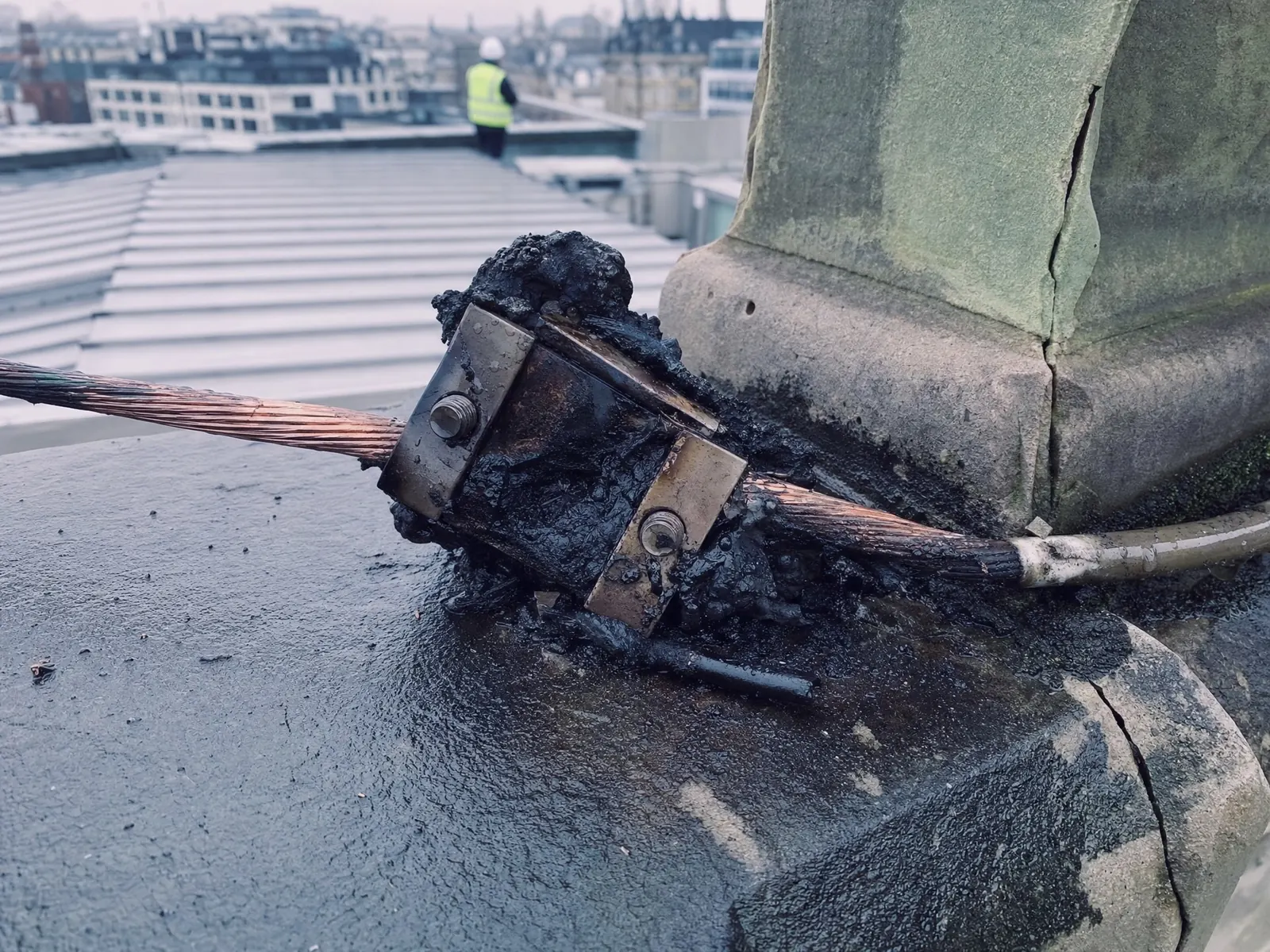
Damage often hides. Wiring insulation, earthing, protective devices and data equipment can fail with no burn marks. Damaged insulation can smoulder for days, and surges can overheat wiring and start a fire inside a wall. High voltage can also wreck circuit breakers, and a compromised grounding system may fail to move the next charge safely away.
In England, electrical distribution was behind 17% of fires in non-residential buildings in the year ending March 2026. That is not only lightning. But it shows why we check the electrical side after a big surge.
Signs That Your Property Has Been Hit by Lightning
+You may have heard a bang or seen a flash. Plugged-in electronics and appliances often die first, even behind surge protection.
Direct hits can fracture bricks and move roof tiles. Lightning detection records can place the bolt within 1 to 2 kilometres, and the UK network picks up around 90% of cloud-to-ground lightning in Europe by day. But a record cannot tell you what shape your building is in, so we need to look.
Who Books Our Post Lightning Strike Inspection and Why They Call Us
Homes, Farms and Period Buildings After a Storm
+Detached houses, flats, farmhouses and period homes call us after a loud bang and dead appliances. Owners worry about hidden wiring damage and fire risk. Those with a lightning protection system or surge protection devices fitted want a lightning protection inspection to show they still work.
Shops, Offices, Schools, Clinics and Factories
+Building owners and duty holders call us for commercial buildings such as hotels, restaurants, shops, offices, clinics, schools and factories. They need to protect occupants and get the site open again. A strike can knock out fire alarms, door access and CCTV, which are safety systems, and it can hit critical systems like lifts, servers, tills and cold rooms.
 Call-outs
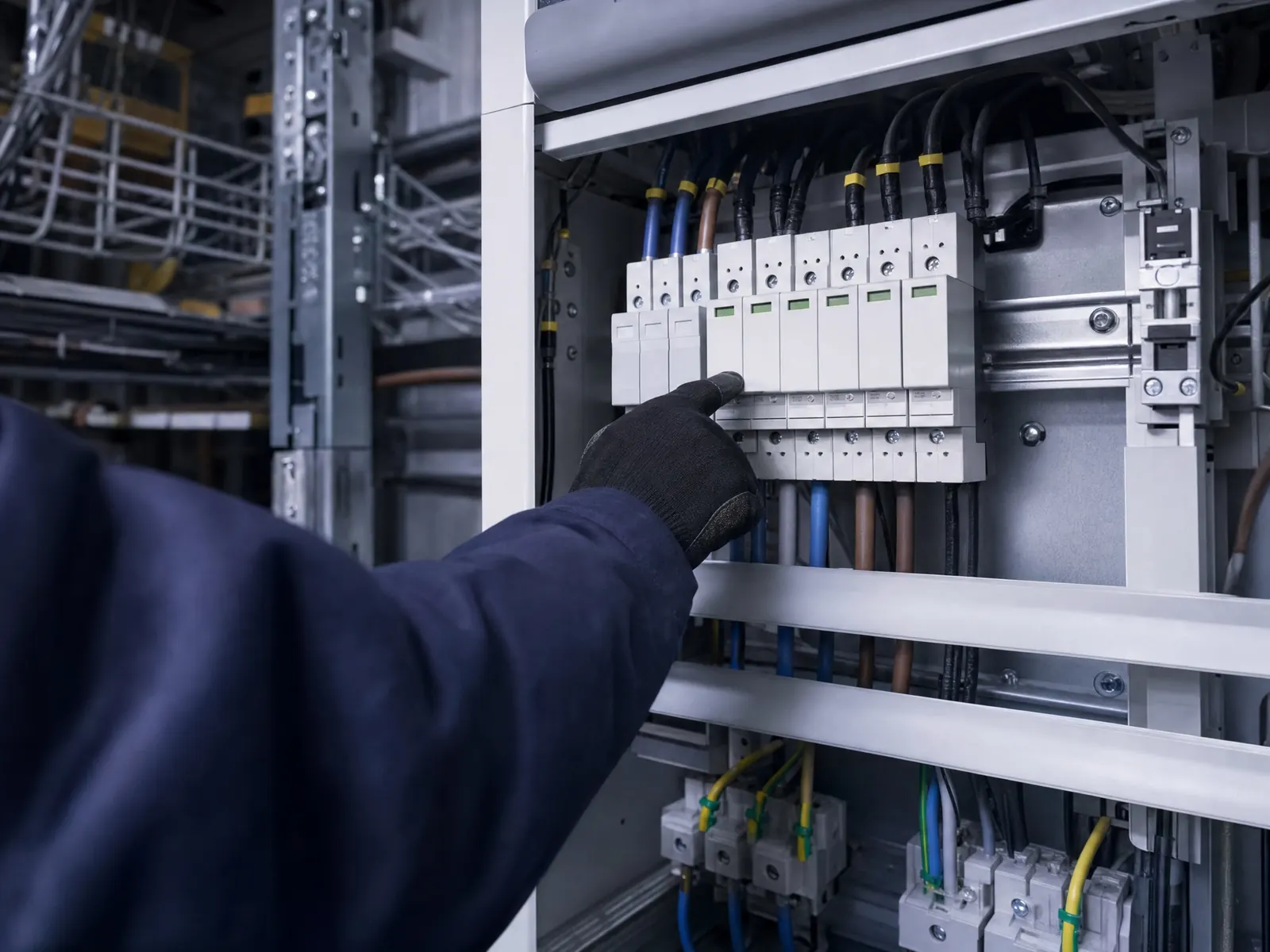 Checks
What We Check During Our Post Lightning Strike Inspection Visit
Every post lightning strike inspection visit follows the same plan for testing and inspection. Here is what our engineers cover:
- Roof lightning protection: lightning rods and air terminals, checked by eye
- Down conductors, clips, joints and test clamps
- Heat damage, arcing, corrosion and moved parts
- Electrical continuity across the whole lightning protection system
- Earth points, with earth resistance testing at each one
- Bonding and earthing arrangements
- Surge protection device indicators
- Changes or damage that reduce the lightning protection system's coverage
- Photos and a list of recommended remedial works
- Your last test records, if you have them
Our Visual Inspection of the Roof and Structure
+We start with a visual inspection. Initial safety checks come first, so we spot any danger before we touch anything. Then we inspect the outside of the structure for cracks, slipped tiles and signs of physical damage.
On the roof, we study the airstrike components, which means the lightning rods and air terminals that catch the bolt. Years of weather exposure can weaken any lightning protection system.
We inspect each joint on the down conductors from roof to ground level. Any loose, burnt or displaced components go in the report, and structural damage gets flagged straight away.
Our Electrical Tests on Earthing and Bonding
+Next we safely conduct tests with calibrated test meters, checking continuity along the whole lightning protection system. Then we run earth resistance testing, part of our earthing system testing service, at each earth point, including the ground rods. We want a low resistance path, because that is how the lightning protection system does its job of safely conducting lightning strikes into the ground.
We also check equipotential bonding and every one of the bonding connections. A cracked or corroded joint can break the whole chain.
Our Checks on Surge Protection and Electronic Systems
+Surge protection devices take the hit so your equipment does not. They wear out first, so we inspect each indicator, and a compromised device may need replacing.
We also check electromagnetic shielding on data cables, and assess wiring and appliances for damage. A professional inspection can identify hidden electrical faults that may lead to fires. Where the site needs it, we use thermal imaging to find hidden heat damage.
How Our Post Lightning Strike Inspection Works From First Call to Final Report
You call us or use our contact form. We ask a few questions about the building and the hit, then book an engineer. On site, we do the safety checks and tell you what we find before we leave. If something is dangerous, we say so on the spot so you can minimise danger to people.
We issue a full report after every lightning protection inspection. It has photos, test readings, the state of your lightning protection and surge devices and the remedial works we recommend. A dated report can also support an insurance claim for lightning damage.
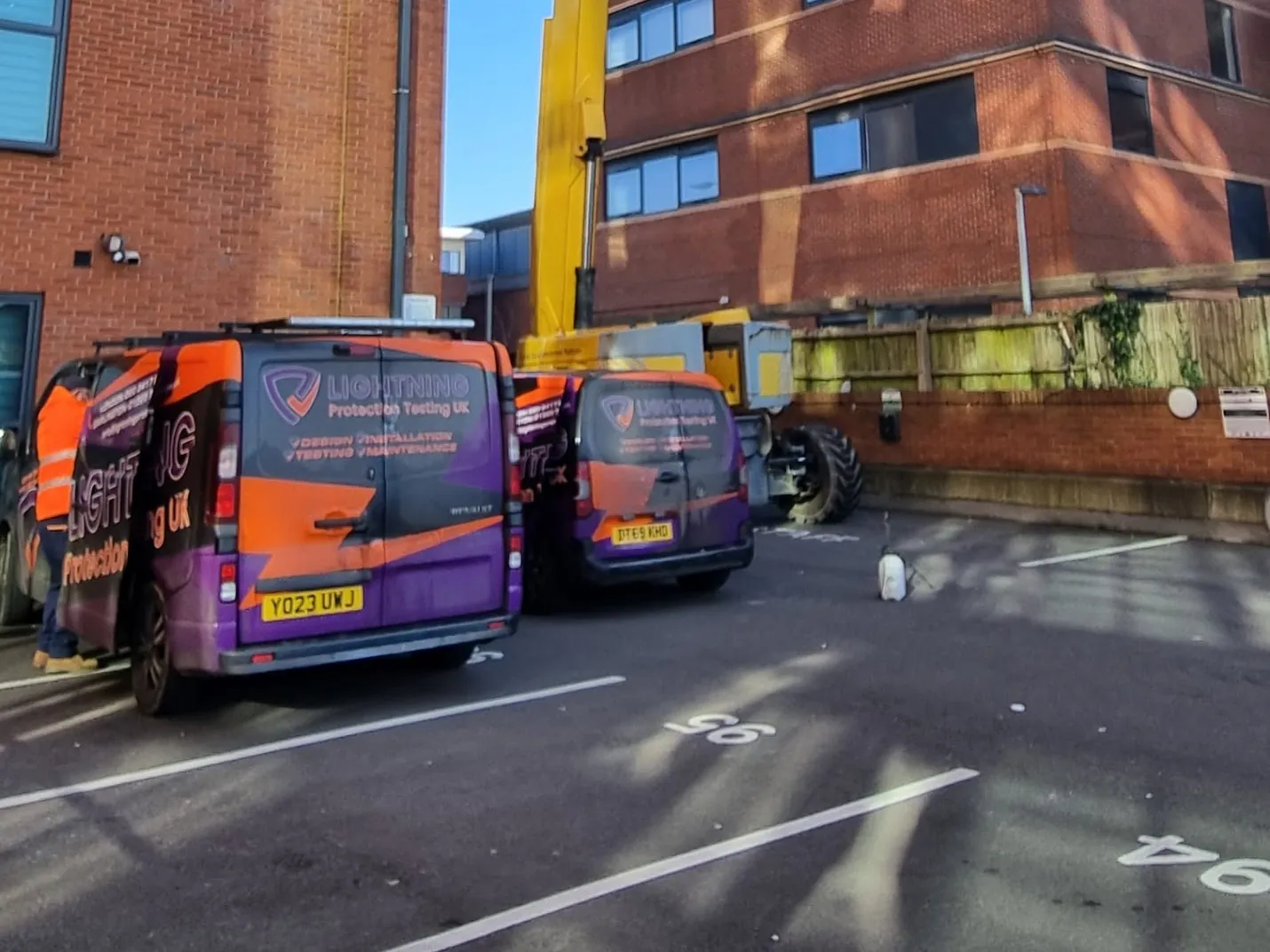 On site
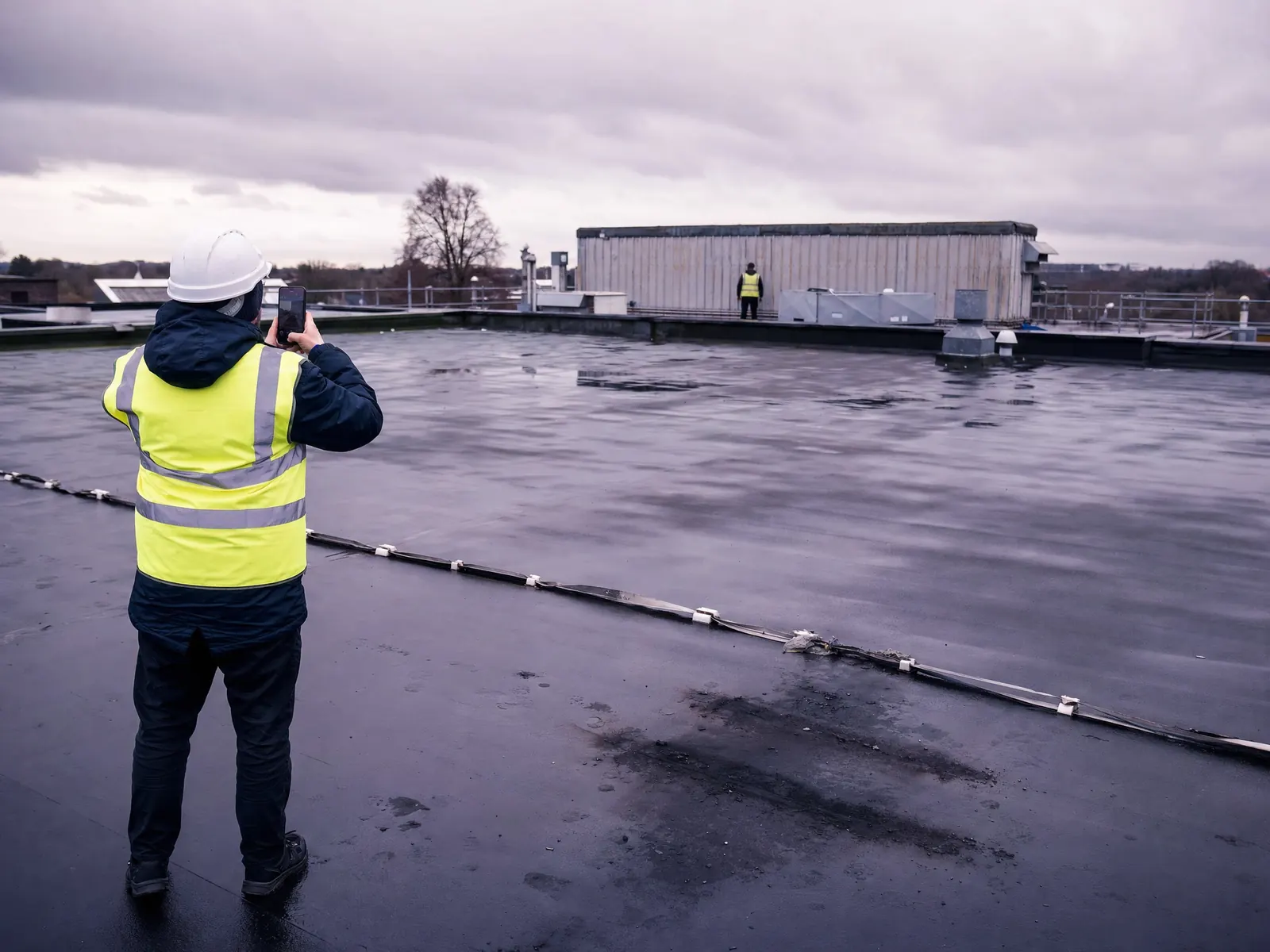 Insurers
What the Law, BS EN 62305 and Your Insurer Expect After a Strike
If you employ people or run a site, you are a duty holder. Under the Electricity at Work Act and the Electricity at Work Regulations 1989, duty holders must keep electrical systems safe. That is a legal requirement. BS EN 62305 and other British Standards help you ensure compliance.
A lightning protection system should normally get a visual inspection and electrical test at least every 12 months. Higher-risk sites need checks at shorter regular intervals. A suspected hit is a separate reason for an extra inspection, and a risk assessment can show if your site needs checks more often. Regular testing is the best way to protect the building between storms, alongside lightning protection maintenance.
How Much Does a Post Lightning Strike Inspection Cost?
Here are our rough prices for a post lightning strike inspection based on recent projects. They include the inspection, the tests and the written report.
- Houses, flats and farmhouses with one system: about £250 to £400
- Small shops, offices and clinics: about £450 to £700
- Larger commercial buildings, schools and factories: about £1,000 to £1,600
- Thermal imaging add-on: about £350 for a small building, £600 to £1,500 for a large one
- Replacing a damaged surge protection device: about £100 to £250 for a small building, £200 to £600 for commercial equipment
Roof height, earth points and surge devices all move the price.
The price is a rough guide and the actual cost varies with your building and the damage we find. Please contact us via our contact form for an accurate quote.
Why Building Owners Pick Lightning Protection Testing UK After a Strike
As lightning protection specialists, we only do lightning protection work, so we know what a hit does to a building. Our lightning protection services cover testing, repairs and maintenance. Our team of engineers carries out testing and inspection to BS EN 62305 across the whole UK. You get complete peace of mind that the building is safe, or a clear list of what to fix.
If we find faults, we carry out the remedial works. That can mean new conductors, repaired joints, fresh earth rods or replacement components. Existing older systems often miss parts that modern systems include, so we may suggest lightning protection upgrades and a risk assessment. If you never had a lightning protection system installed, we say so.
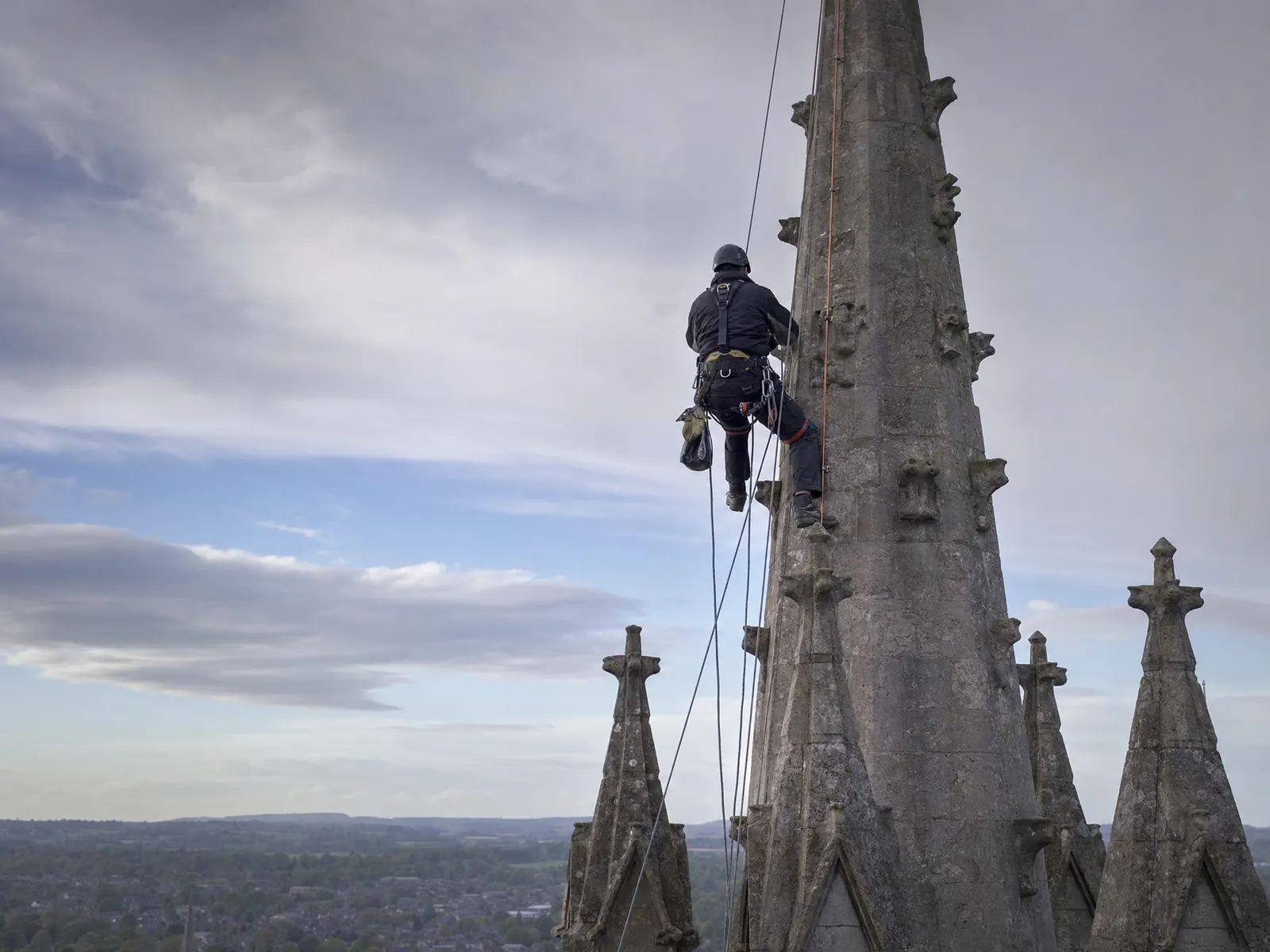 Specialists
 Free quote
Get Your Free Quote From Lightning Protection Testing UK Today
Lightning does not wait, and hidden damage gets worse. Use our contact form now and Lightning Protection Testing UK will send you a free quote for your post lightning strike inspection.
Post lightning strike inspection FAQs
What is a post lightning strike inspection service?
A post lightning strike inspection service is a check of your building and its lightning protection system after a hit, to find damage you cannot see. Our engineers carry out the testing and inspection anywhere in the UK, tell you what failed and give you a report you can send to your insurer.
How much does a post lightning strike inspection cost?
A post lightning strike inspection costs about £250 to £400 for houses, flats and farmhouses with one system, and about £450 to £700 for small shops, offices and clinics. Larger commercial buildings, schools and factories are about £1,000 to £1,600. These figures are a rough guide and the actual cost varies with your building and the damage found, so please use our contact form for an accurate quote.
Do you need an inspection after a lightning strike if there is no visible damage?
Yes, you should still book an inspection after a lightning strike with no visible damage, because wiring insulation, earthing, protective devices and data equipment can fail without burn marks. Damaged insulation can smoulder for days, and surges can overheat wiring and start a fire inside a wall.
What does a post lightning strike inspection check?
A post lightning strike inspection checks the roof air terminals, down conductors and joints, electrical continuity, earth points with earth resistance testing, bonding and surge protection device indicators. Our engineers also take photos and list the recommended remedial works.
Can a post lightning strike inspection report support an insurance claim?
Yes, a post lightning strike inspection report can support an insurance claim, because a dated report backs up a claim for lightning damage. Ours includes photos, test readings, the state of your lightning protection and surge devices and the remedial works we recommend.
How often should a lightning protection system be tested in the UK?
A lightning protection system should normally be tested at least every 12 months, with a visual inspection and an electrical test. Higher-risk sites need checks at shorter regular intervals, and a suspected hit is a separate reason for an extra inspection.