
Worried About Lightning Strikes? We Protect Your Property
Lightning Protection Installation Service
Lightning Protection Systems for Homes and Businesses
Detached Houses, Flats, Shops, Factories and Historic Buildings
- BS EN 62305 testing
- Written report every visit
- Faults ranked by urgency






Get a free quote for lightning protection installation
Tell us where the building is and what you need. An engineer replies with a price and the next available date.
Our lightning protection installation service covers homes and businesses across the UK. We design, install and certify a full lightning protection system, so a lightning strike has a safe path to the ground and not through your roof, walls or wiring. Whether you own a house, a block of flats, a shop or a factory, we get the job done properly.
The UK sees around 200,000 to 300,000 lightning strikes each year. That is roughly 550 to 820 a day, although most come in bursts during thunderstorms. One bad lightning strike can cost you a roof, a server room or a week of trading.
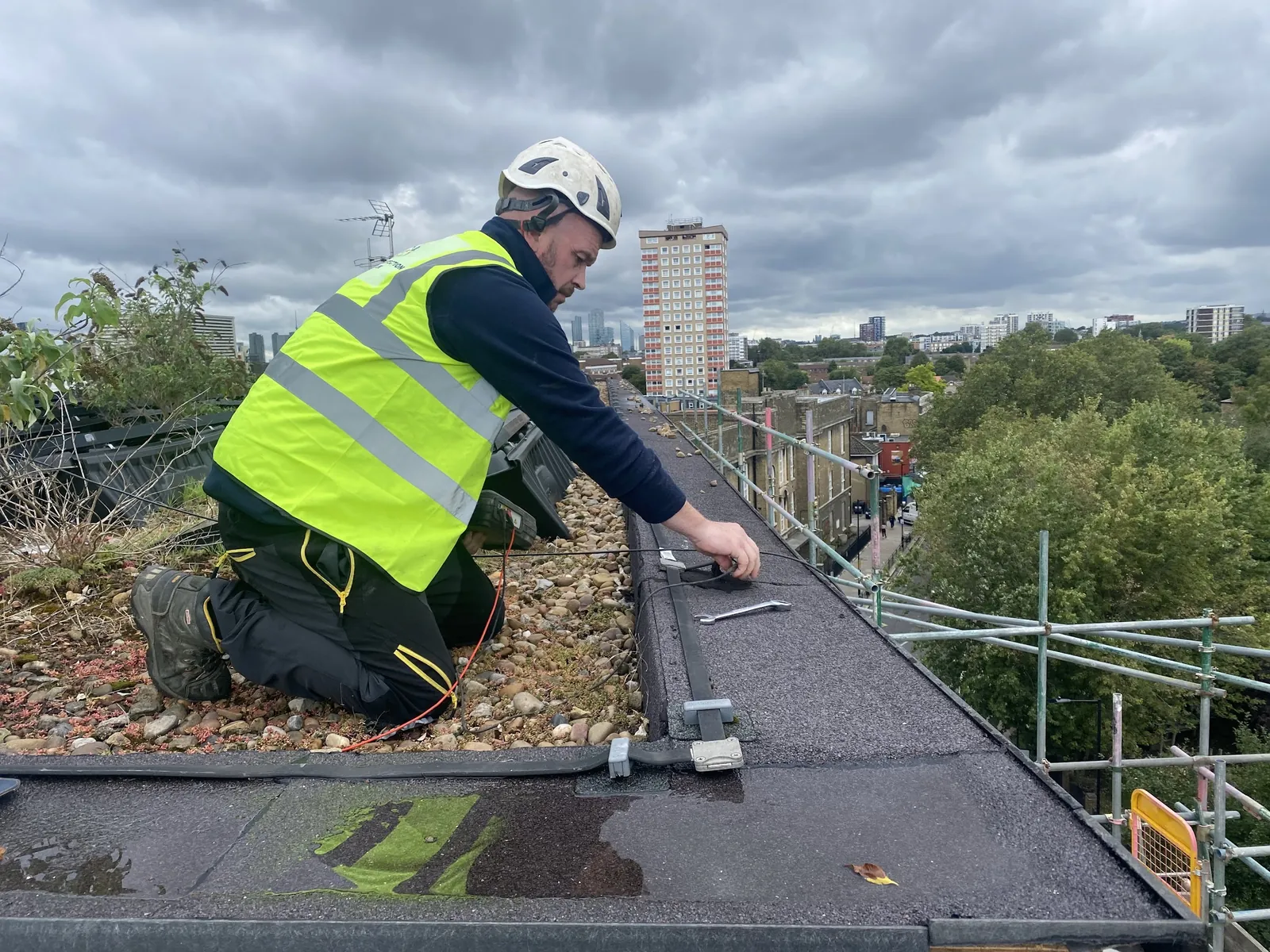 Roof install
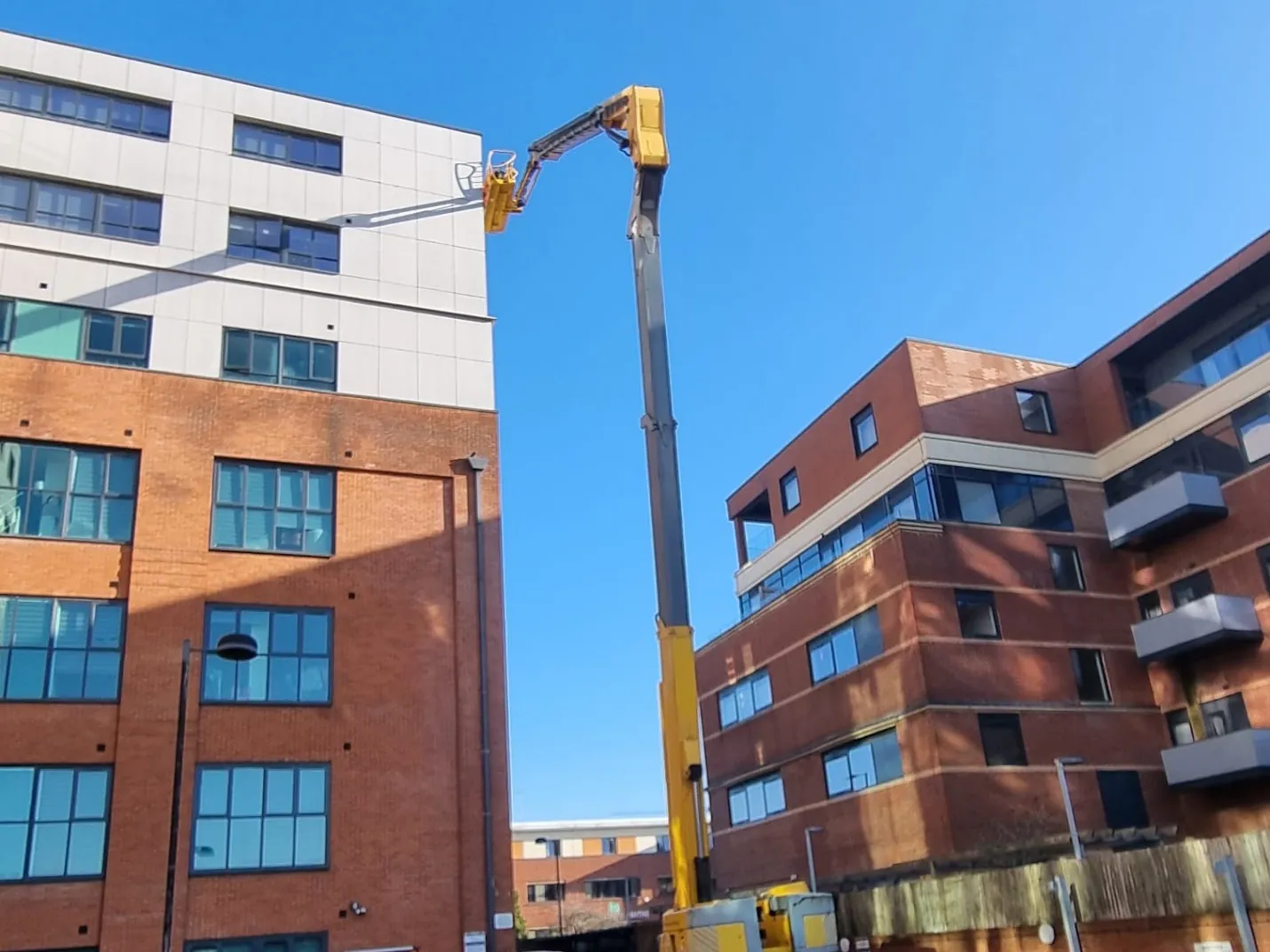 High access
Why Do Homes and Businesses Need Lightning Protection?
Lightning is not only a summer problem. Thunderstorms can hit at any time of year, and the East Midlands and south east England see more than most areas.
2025 was the UK's warmest and sunniest year on record, so buildings need to cope with changing weather.
What Damage Can a Lightning Strike Do to My Building?
+A lightning channel can reach about 30,000°C, around five times hotter than the surface of the Sun. It may only be 2 to 3cm wide, yet it can split brickwork, start a fire and blow slates off a roof. That is serious structural damage.
Direct lightning strikes are only half the story. A lightning strike nearby can push electrical surges down your cables and into your electrical equipment. Routers, alarms and boilers often fail first, and indirect strikes can cause serious electrical damage to electrical and electronic systems.
People are at risk too. About two people die from lightning in the UK each year, mostly outdoors. A well-built lightning protection system protects people because it keeps the current away from where they stand and work.
Does Lightning Protection Attract Lightning?
+No. A lightning protection system does not attract a strike and it cannot stop one. It gives the current a safe path to earth.
Lightning is one of nature's most unpredictable forces, so we never leave its route to chance.
What Is Included in Our Lightning Protection System Installation?
We build every lightning protection system from the same essential parts, then size and place them to suit your building. A complete lightning protection system covers more than rooftop metal. The aim is less risk of fire, structural damage, electrical damage and injury.
How Do Air Terminals and Lightning Rods Work?
+Air terminals sit at the high points of your structure, such as ridges, chimneys and roof edges. They intercept direct strikes before the current reaches the building. Many people call them lightning rods, or a lightning conductor.
We use lightning rods where they suit the roof. Each one safely carries the lightning energy down to the ground.
Why Do Down Conductors and Earth Electrodes Matter?
+Down conductors link the air terminals to the earth termination network. They run down the outside of your building by the shortest safe route. Earth electrodes then spread the electrical energy into the ground.
A good grounding system is crucial, and it is where many older installs fall short. We aim for an earth resistance below 10 ohms and meet the grounding requirements in the standard. That includes equipotential bonding of pipes, gutters and steel frames.
How Does Surge Protection Keep Your Electronics Running?
+Surge protection devices stop the surges that sneak in through power, data and aerial cables. They protect your electrical systems from sudden spikes in voltage.
A full setup can use more than one type of device. We fit them at the main board and near sensitive loads, such as servers, tills and CCTV. Good surge protection helps prevent damage and costly downtime.
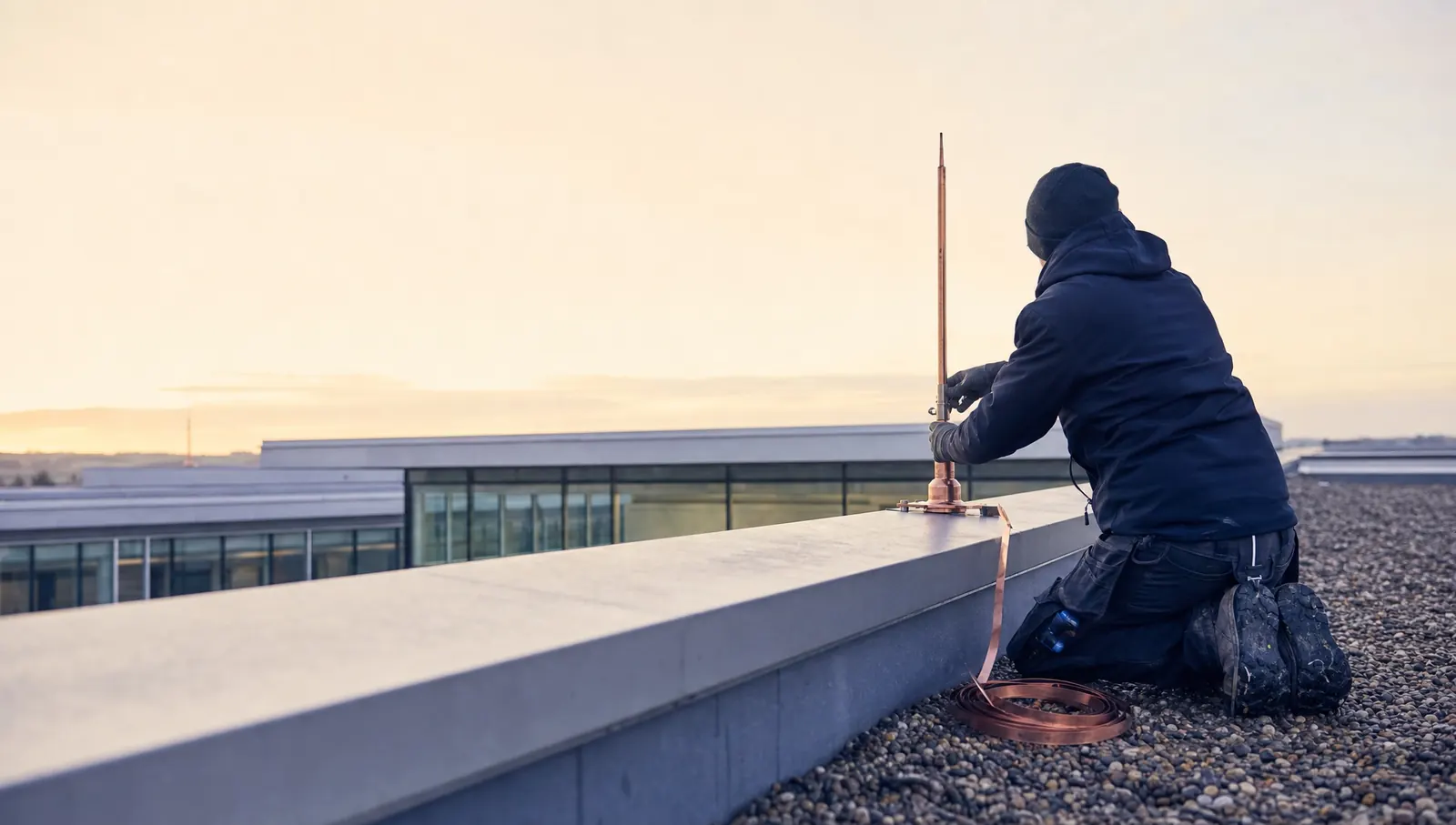
 Air terminal
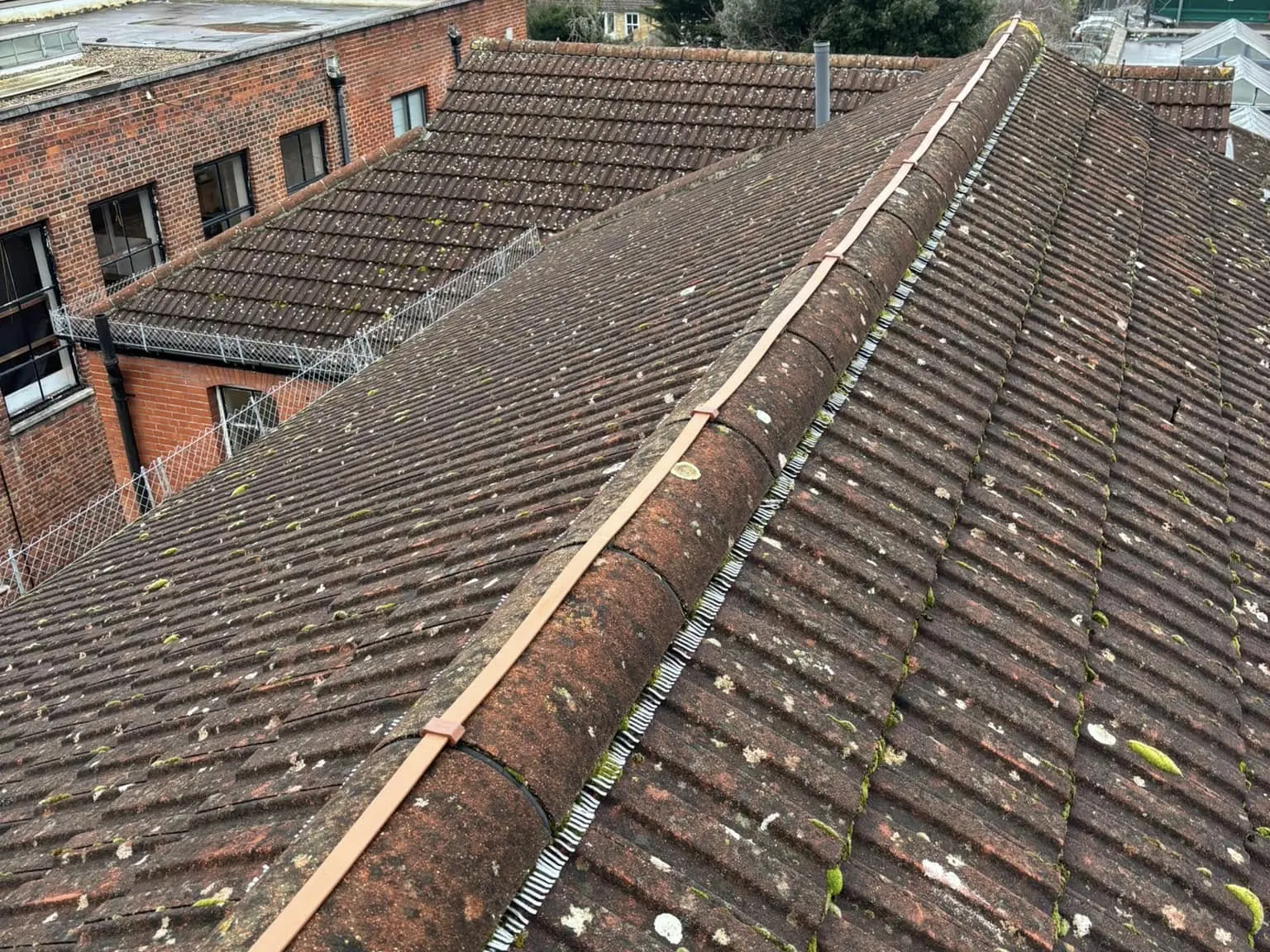 Design
How Do We Design a Lightning Protection System Around Your Building?
No two buildings are the same, so we never copy designs. We start with a lightning risk assessment of your site, because risk assessments decide how much protection you need. Our comprehensive risk assessment looks at height, use, location and what sits inside.
We then use engineering calculations to set the layout and position of every part. Each lightning protection system is professionally designed around your roof shape, your wiring and the nature of your building.
Which Standard Do We Follow?
+We design to BS EN 62305. The newest edition, BS EN IEC 62305:2024, was published in early 2025. It is the first major technical revision in about 14 years.
Old and new editions run side by side until 31 October 2027, and existing compliant systems do not need replacing. The series covers risk assessments, physical damage, risk to life and the protection of electrical and electronic systems inside buildings. Following these lightning protection standards helps us ensure compliance.
Some clients ask about early streamer emission devices. They sit outside the BS EN 62305 series, so we only fit them where it makes sense.
Which Properties Do We Protect Across the UK?
We work UK wide, and the same lightning protection services suit very different buildings.
Do Houses and Flats Need Lightning Protection?
+Often, yes. Detached houses on hills, farmhouses, barn conversions and tall blocks of flats get hit more than a terrace in a valley, and thatched roofs carry a high fire risk. Many owners call our lightning protection company after a near miss or a storm that wiped out their broadband and boiler controls.
Which Commercial Buildings Do We Protect?
+We install on offices, shops, hotels, restaurants, clinics, warehouses and factories. Commercial buildings hold stock, machines and data you cannot replace in a day.
Can You Protect Historic and Heritage Buildings?
+Yes. Historic buildings such as churches, manor houses and listed barns are tall, old and full of timber, so fire is a real risk. Heritage buildings need a careful install, so we plan fixings to cause as little damage to old stone and slate as we can.
What Happens If I Add Solar Panels or Roof Equipment?
+The country recorded about 269,000 new solar installations in 2025 and passed two million in March 2026. Panels, aerials and air handling units add new metalwork to a roof. Separation distances, bonding and the protected zone may need a review, so we design around your roof kit from the start.
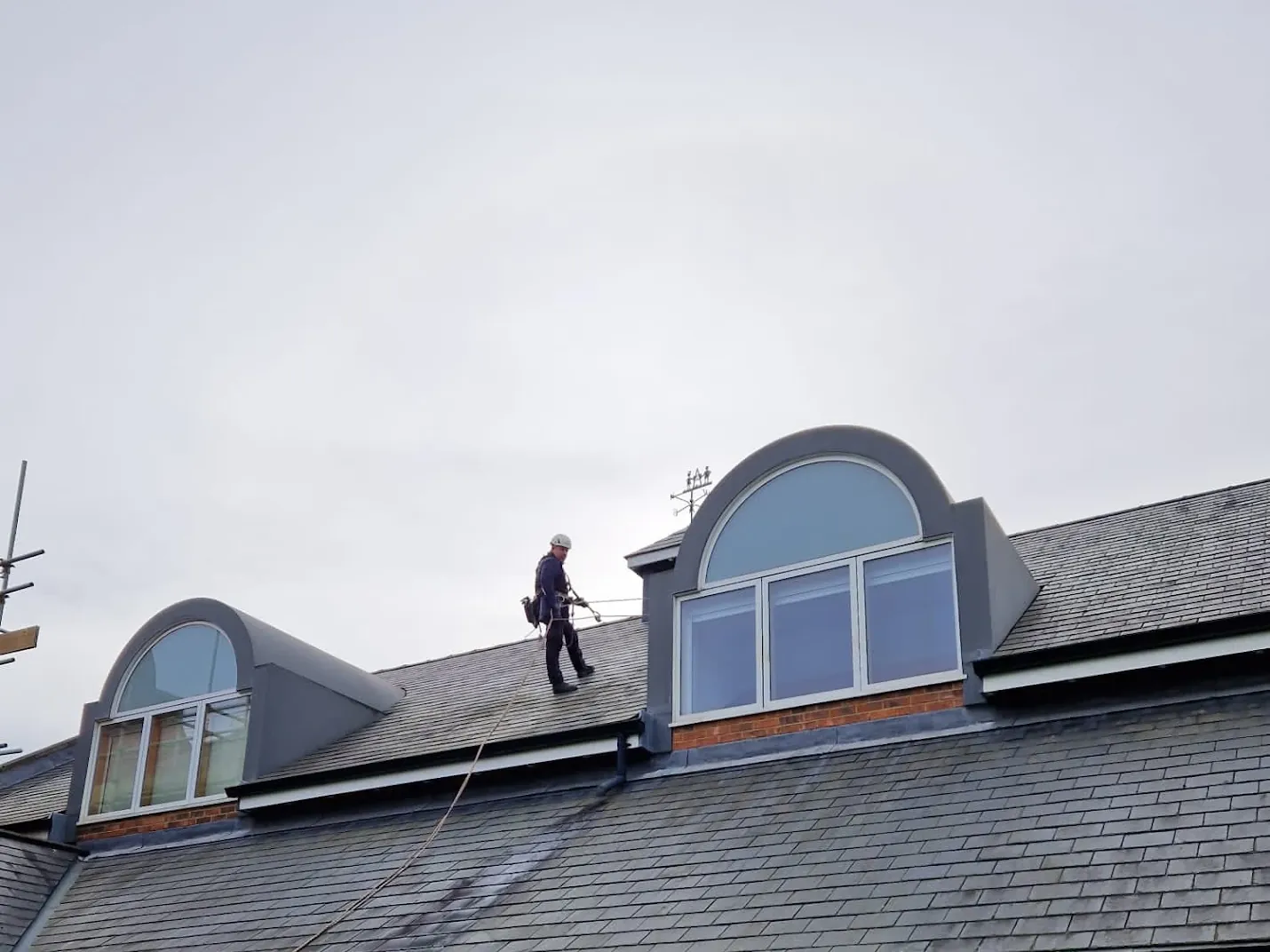 Rope access
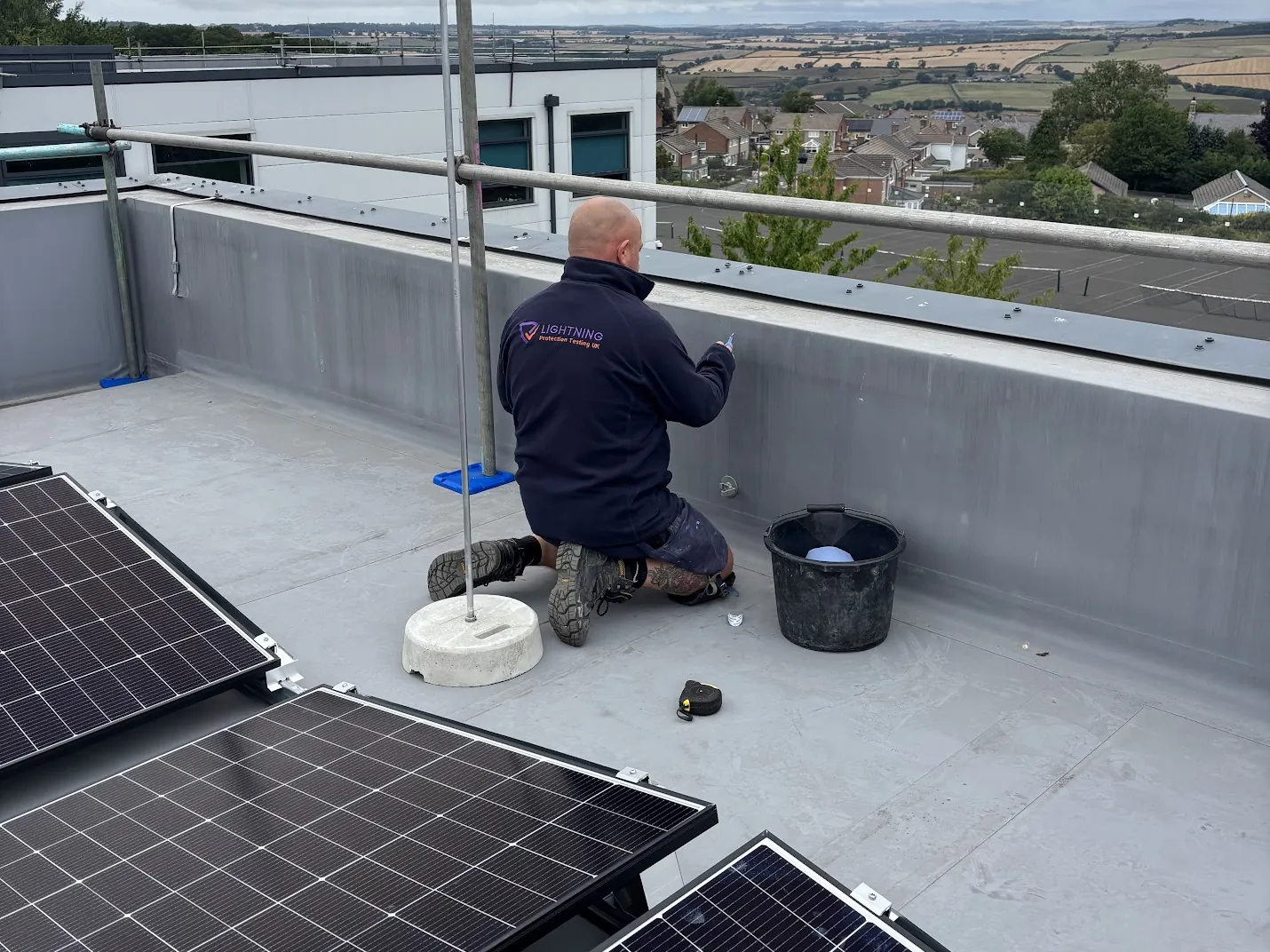
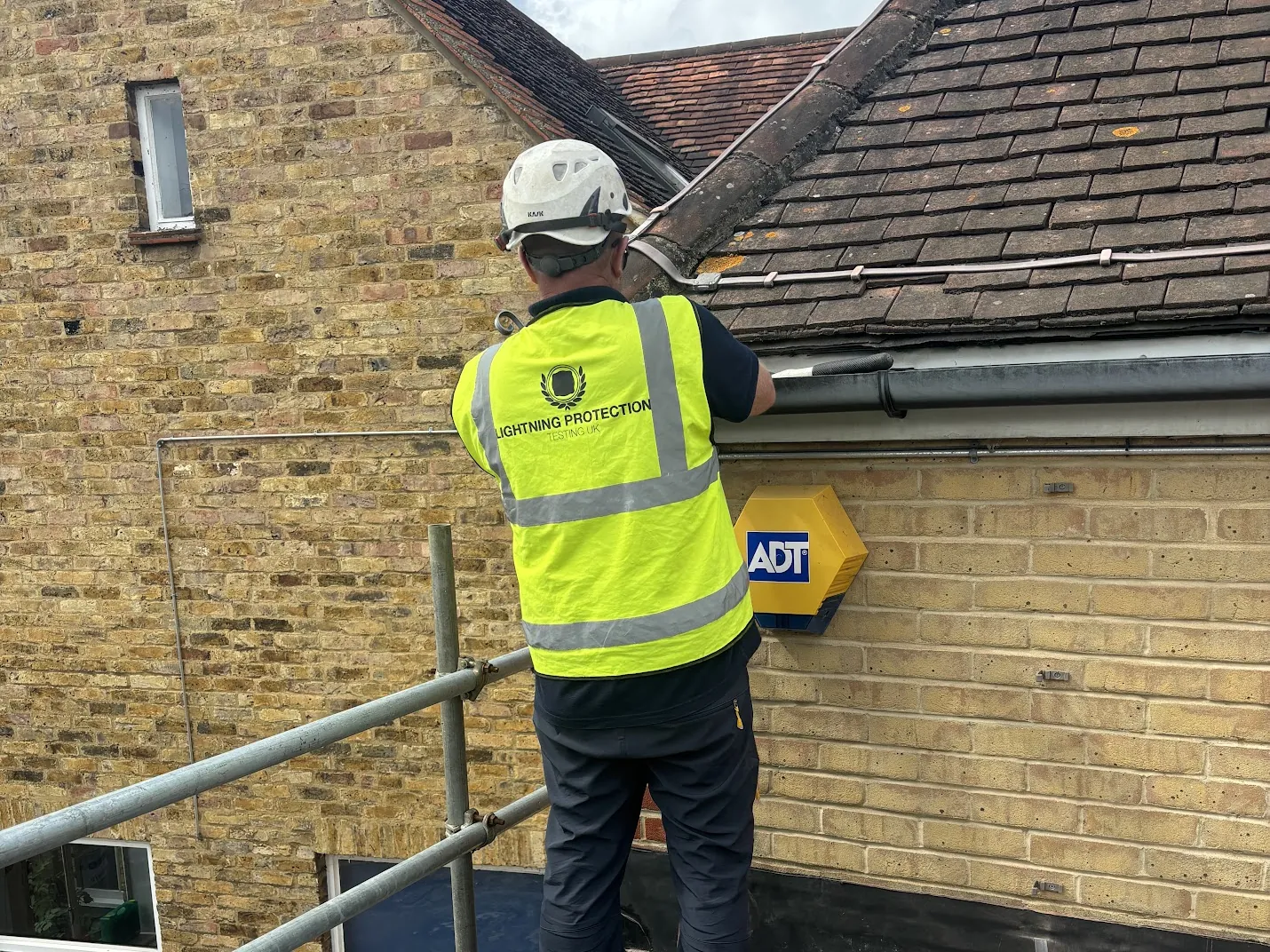 On scaffold
How Does Our Installation Process Work From Survey to Certificate?
Our lightning protection installation services follow a clear path:
- We visit, survey the site and talk through your risk
- We design the layout and give you a clear quote
- Our fully trained team installs the air terminals, down conductors and earthing
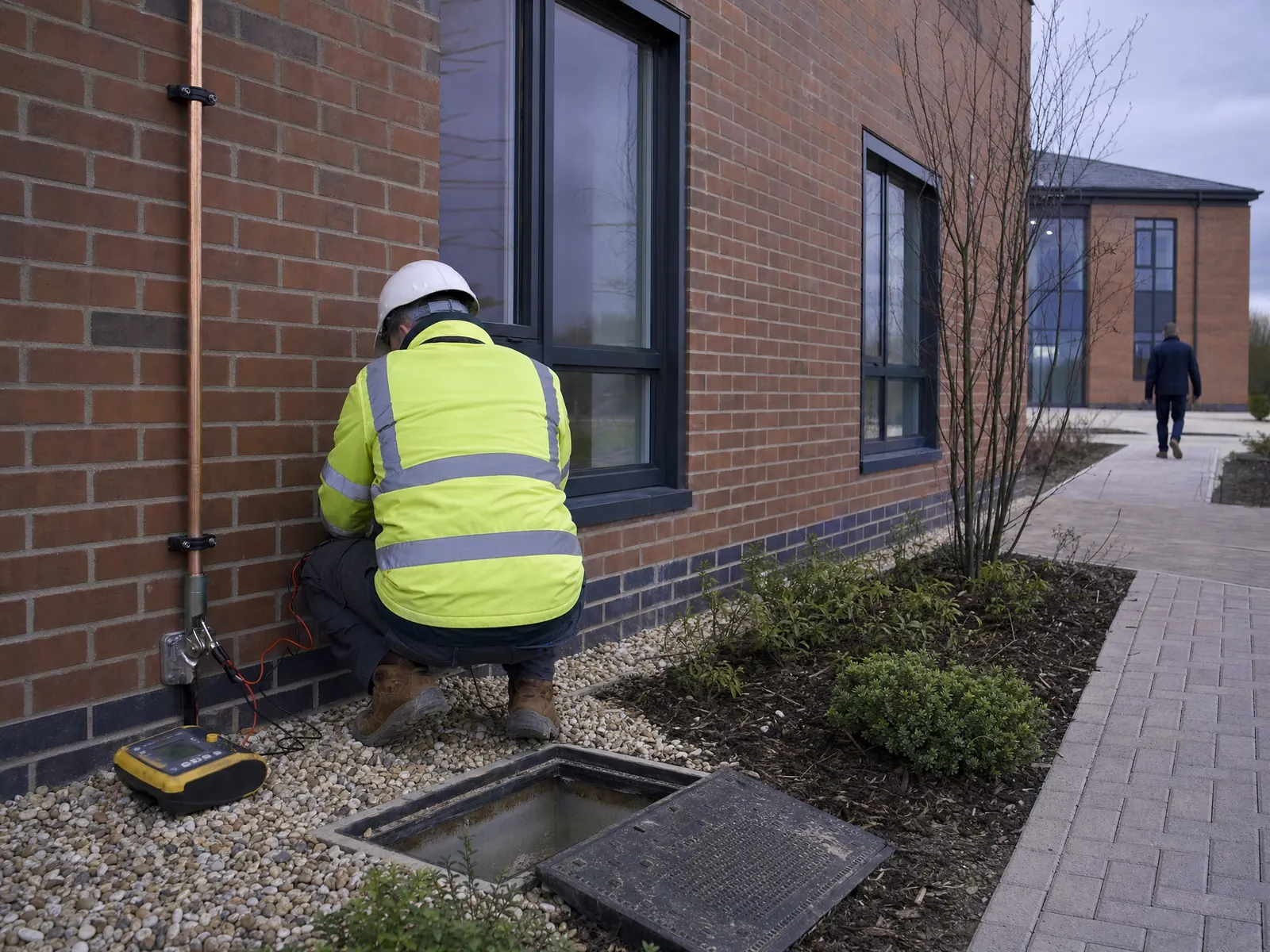
- We test every joint and measure the earth resistance
- We hand over your certificate and drawings
We use specialised equipment to check each connection. Certification and testing verify that your lightning protection system performs as designed. The certificate documents compliance with the right safety standards, and most insurers ask for it.
Why Should You Choose Us for Your Installation?
At Lightning Protection Testing UK, safety comes first on every job. Our lightning protection services come with plain advice, a clear plan and no pressure.
Every lightning protection system we build is tested before we hand it over, so your property is fully protected once we leave.
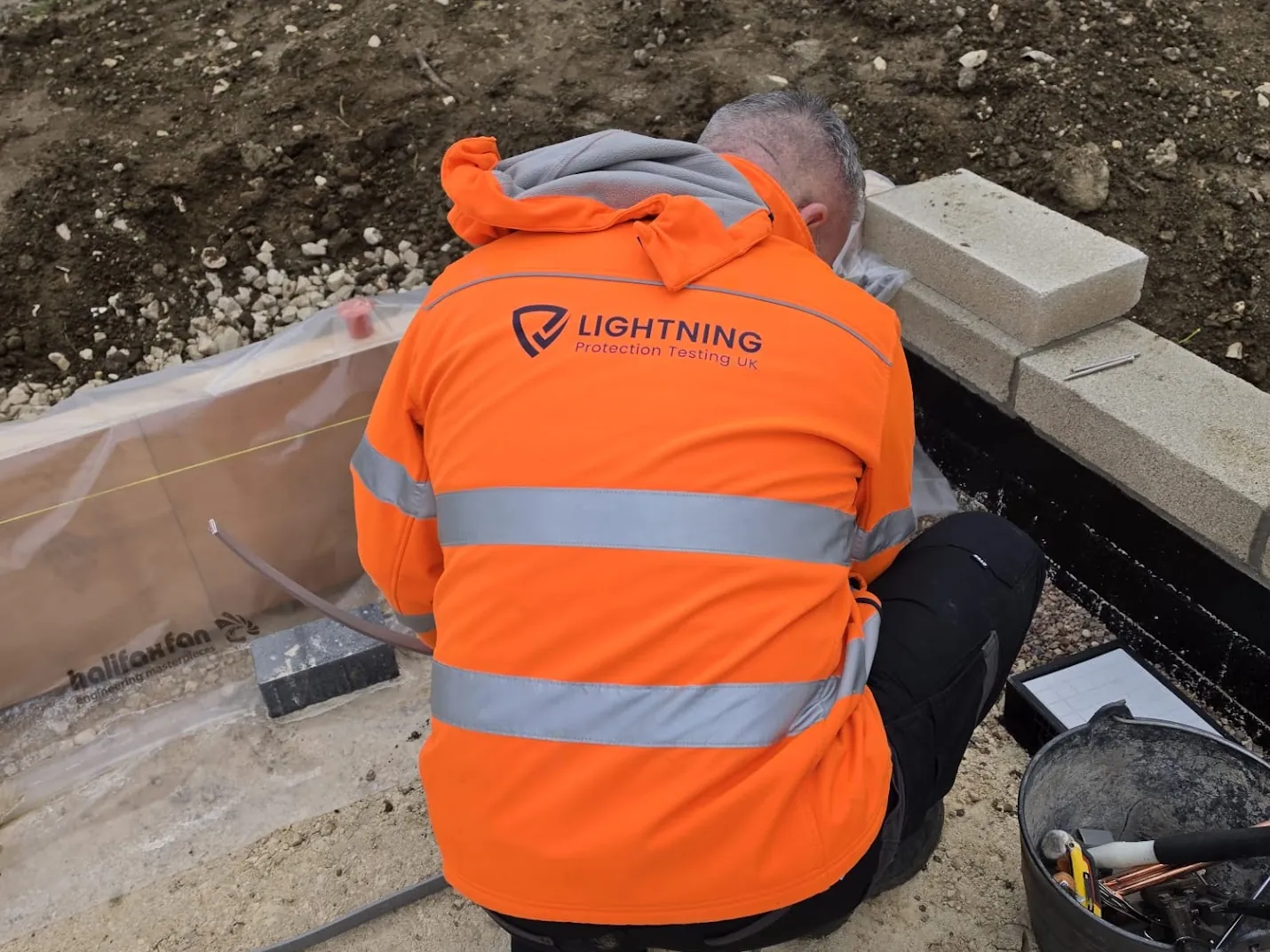 Installation
How Much Does a Lightning Protection System Installation Cost?
These are our rough prices based on recent projects:
- Small house or block of flats: £1,500 to £3,000
- Larger home with surge protection: £2,500 to £5,000
- Shop, office or small commercial unit: £3,000 to £8,000
- Historic buildings and listed properties: £5,000 to £10,000 and above
- Large factory or warehouse: £10,000 to £30,000 and above
- Whole-building surge protection add-on: £300 to £800
Height, roof shape, earth points and access all move the price. Poor soil means more electrodes.
These prices are a rough guide, and the actual cost varies from site to site. Please use our contact form for an accurate quote.
 Aftercare
How Do We Keep Your Lightning Protection System Working After We Install It?
A lightning protection system only protects you while it still works. BS EN 62305 sets out maintenance and testing needs, and annual maintenance supports compliance with safety rules. Routine inspections confirm the effectiveness of the system.
Regular testing catches corrosion, loose joints and damage from roof work before the next storm does. That is how you stay compliant with your insurer. We offer lightning protection testing as its own service, and we also offer lightning protection maintenance visits and a check after a lightning strike.
Ready to Get a Free Quote From Lightning Protection Testing UK?
Tell us about your property and we will get back to you with clear advice and a free quote. Use our contact form or call us, and we will plan a survey that suits you. Our lightning protection services run across the whole country.
 Free quote
Lightning protection installation FAQs
How much does a lightning protection system installation cost?
A lightning protection system installation costs from £1,500 to £3,000 for a small house or block of flats, rising to £10,000 to £30,000 and above for a large factory or warehouse. These figures are a rough guide and the actual cost varies from site to site. Please use our contact form for an accurate quote.
Does lightning protection attract lightning?
Lightning protection does not attract lightning, and it cannot stop a strike either. A properly designed system simply gives the current a safe path to earth. We design every installation so that path avoids your roof, walls and wiring.
Do houses and flats need lightning protection?
Houses and flats often need lightning protection, especially detached houses on hills, farmhouses, barn conversions, tall blocks of flats and thatched properties. These buildings get hit more than a terrace in a valley, and thatched roofs carry a high fire risk. Our lightning risk assessment shows how much protection your property needs.
What does a lightning protection system installation include?
A lightning protection system installation includes air terminals, down conductors and earth electrodes, with bonding of pipes, gutters and steel frames. We can also fit surge protection devices to guard your electrical systems from sudden spikes in voltage. Every joint is tested, and you receive a certificate and drawings when the work is finished.
Which standard does lightning protection installation follow in the UK?
Lightning protection installation in the UK follows BS EN 62305, and we design every system to it. The newest edition, BS EN IEC 62305:2024, was published in early 2025, and old and new editions run side by side until 31 October 2027. Existing compliant systems do not need replacing.
How does the lightning protection installation process work?
The lightning protection installation process runs from a site survey and design through to installation, testing and certification. We survey your property, design the layout and give you a clear quote, then our fully trained team installs the system and measures the earth resistance. You receive a certificate and drawings, which most insurers ask for.