
Worried About Lightning Damage? We Assess the Risk
Lightning Protection Risk Assessment Service
BS EN 62305 Lightning Risk Assessment for Hospitals, Schools and Offices
Lightning Strike Protection for Factories, Shopping Centres and Churches
- BS EN 62305 testing
- Written report every visit
- Faults ranked by urgency






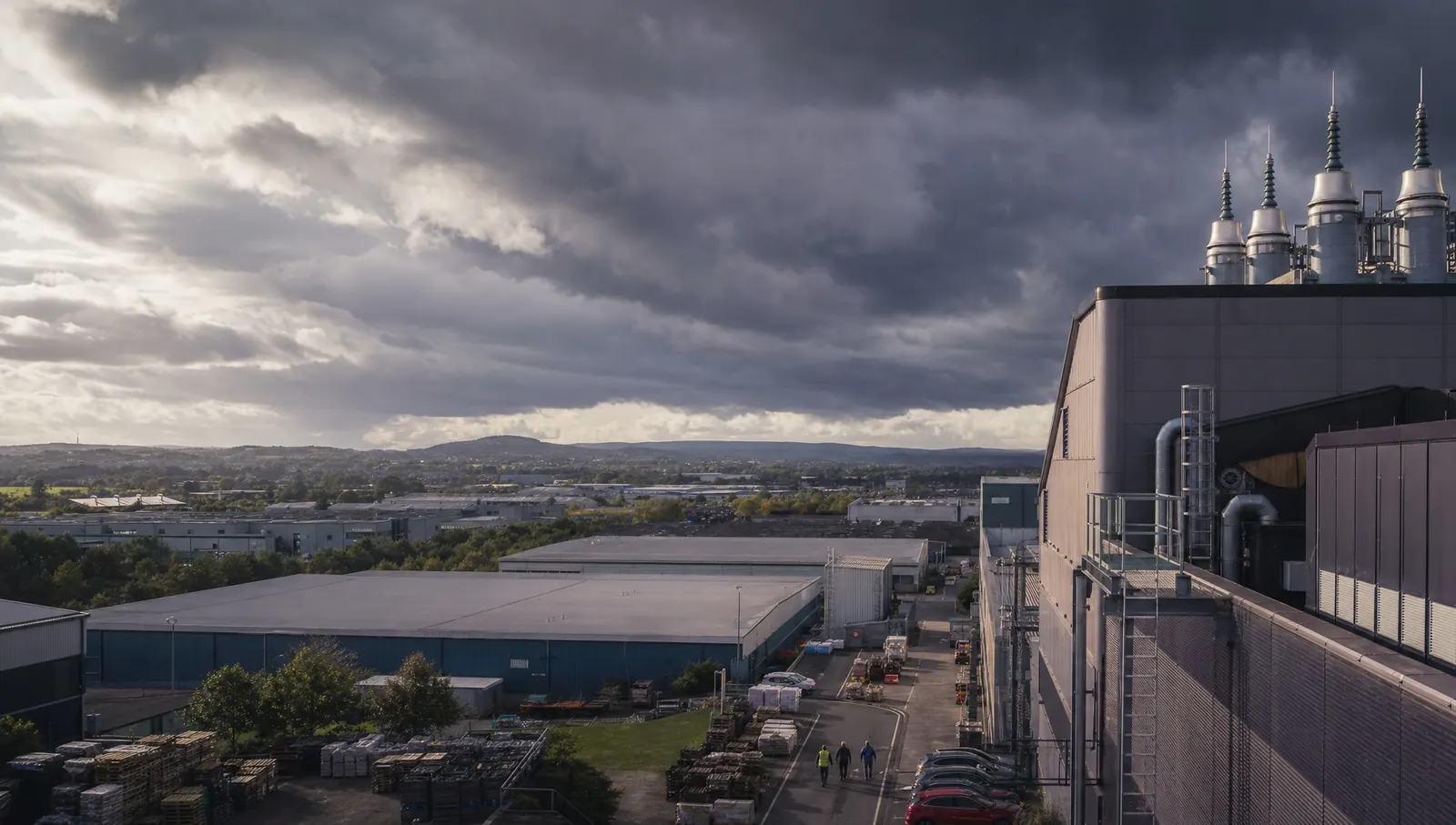
Get a free quote for a lightning risk assessment
Tell us where the building is and what you need. An engineer replies with a price and the next available date.
Our lightning protection risk assessment service shows UK building owners how likely a lightning strike is to cause harm, and what to do about it. At Lightning Protection Testing UK, we conduct every lightning risk assessment to BS EN 62305, for offices, schools, care homes, factories and churches UK wide.
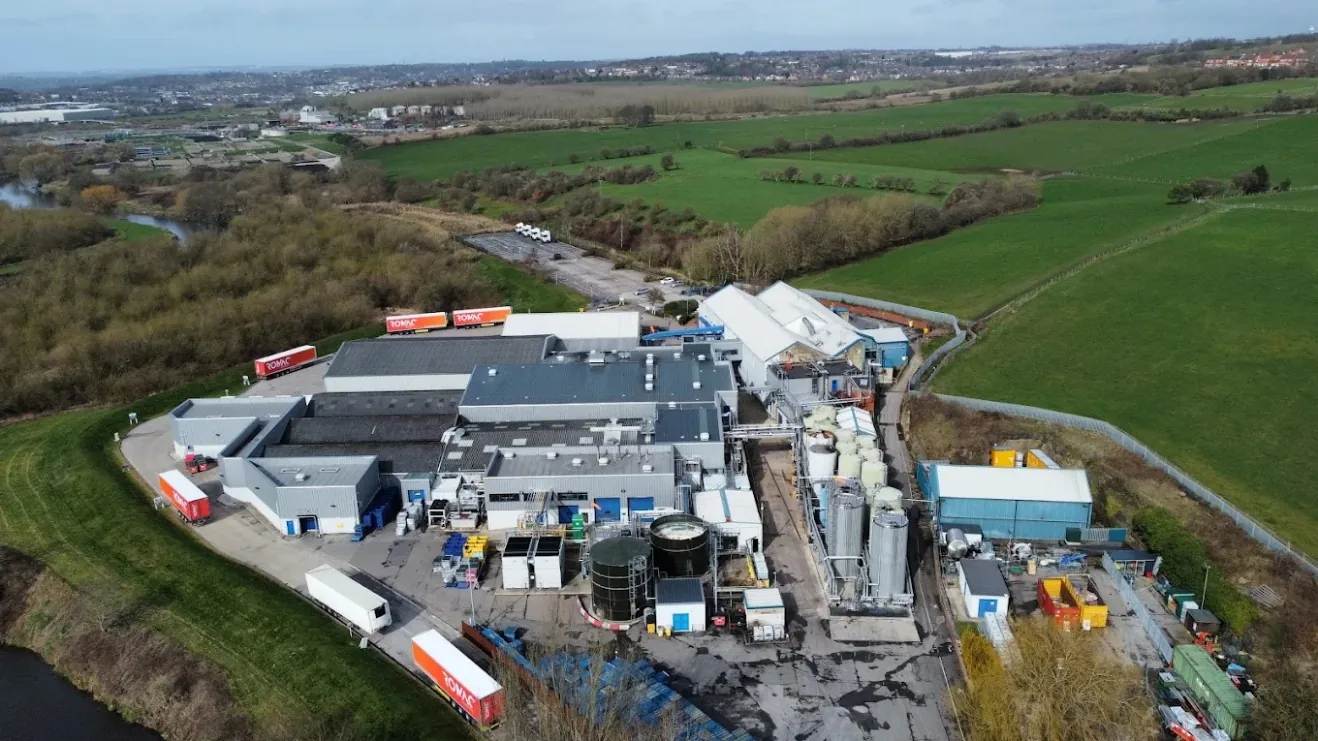 Whole site
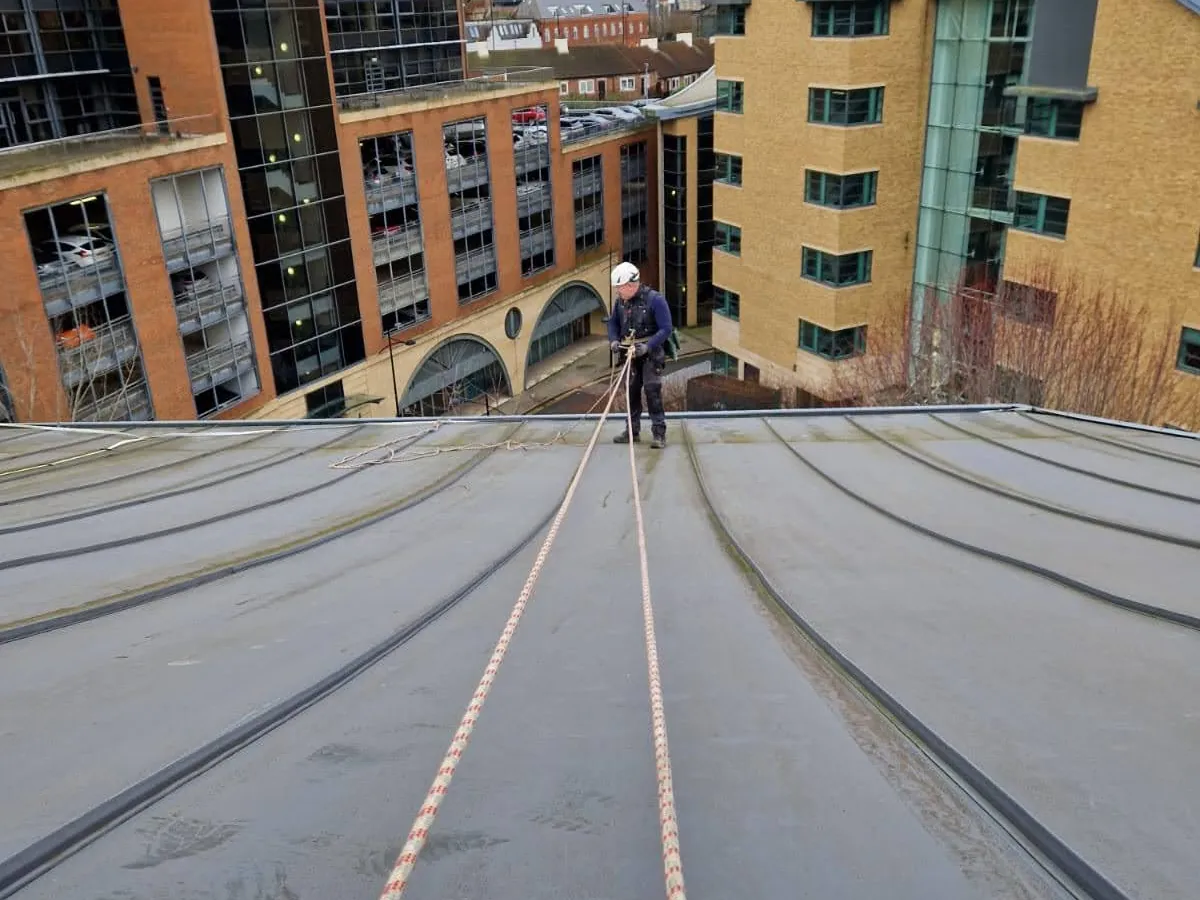 Roof survey
What Does a Lightning Risk Assessment Tell You About Your Buildings?
A lightning risk assessment checks how exposed your buildings are. It weighs injury or loss of life, service interruption, damage to buildings and structures, fire and economic loss.
The analysis helps determine whether you need a lightning protection system or extra lightning protection measures. The consequences can outweigh the cost of a surge protection device.
BS EN 62305 is the British Standard that sets the framework for risk assessment, design, installation and maintenance. BS EN 62305-2 sets out the risk assessment method. It replaced BS 6651 and has four parts.
Can Lightning Damage a Building Without Hitting It?
+A direct lightning strike hits the roof or the structure. A nearby lightning strike can push an induced surge into your wiring.
Surges also arrive through connected services such as power cables, which carry them inside. Fires and power cuts can leave a property unusable, so we check incoming lines, internal systems and electronic systems, not just the roof's lightning protection system.
Why Do Building Owners Book a Lightning Risk Assessment?
For many sites, a lightning risk assessment is close to a legal requirement. The Management of Health and Safety at Work Regulations expect employers to assess risks to staff and visitors. Insurers often ask for the report for insurance purposes, and it is more than just good practice.
Whoever is responsible for the property must show the lightning risk was managed. Our report helps you comply and proves compliance.
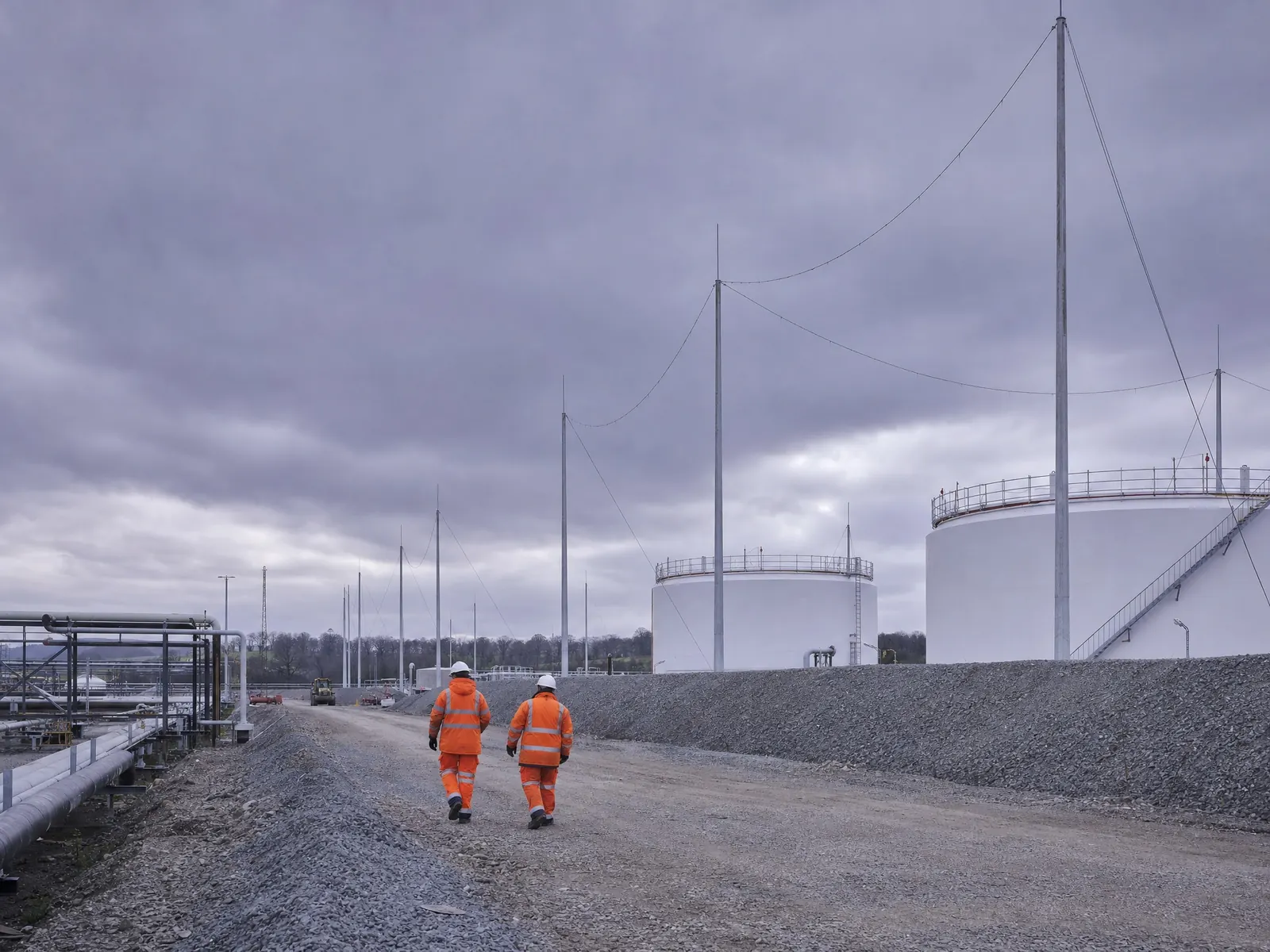
Tall, isolated buildings and places with critical systems tend to be high risk. Hospitals sit near the top, so people stay protected and essential services keep running. Schools, factories and new owners book most often.
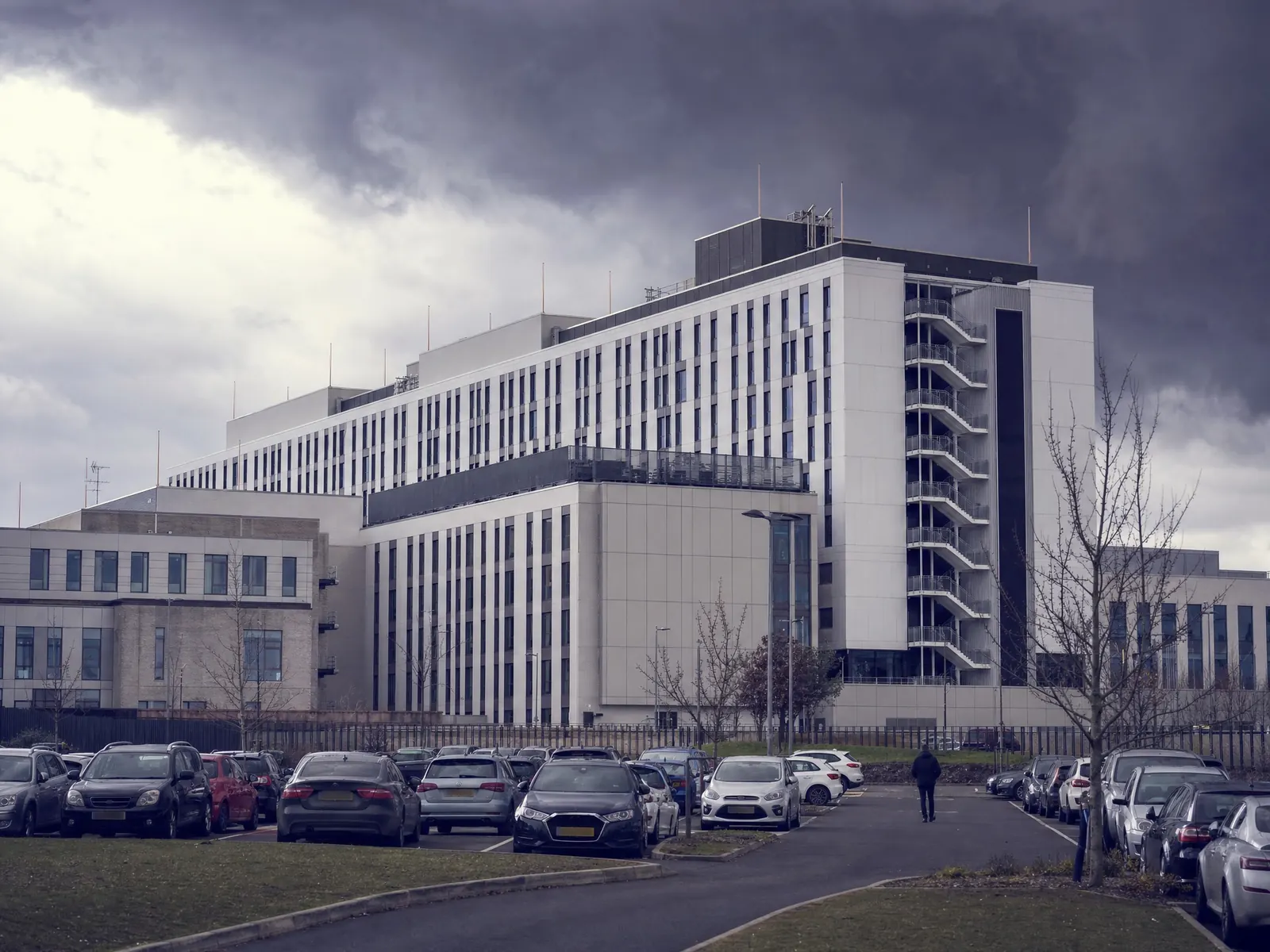 Duty holders
 Site visit
How Do We Carry Out Your Lightning Risk Assessment?
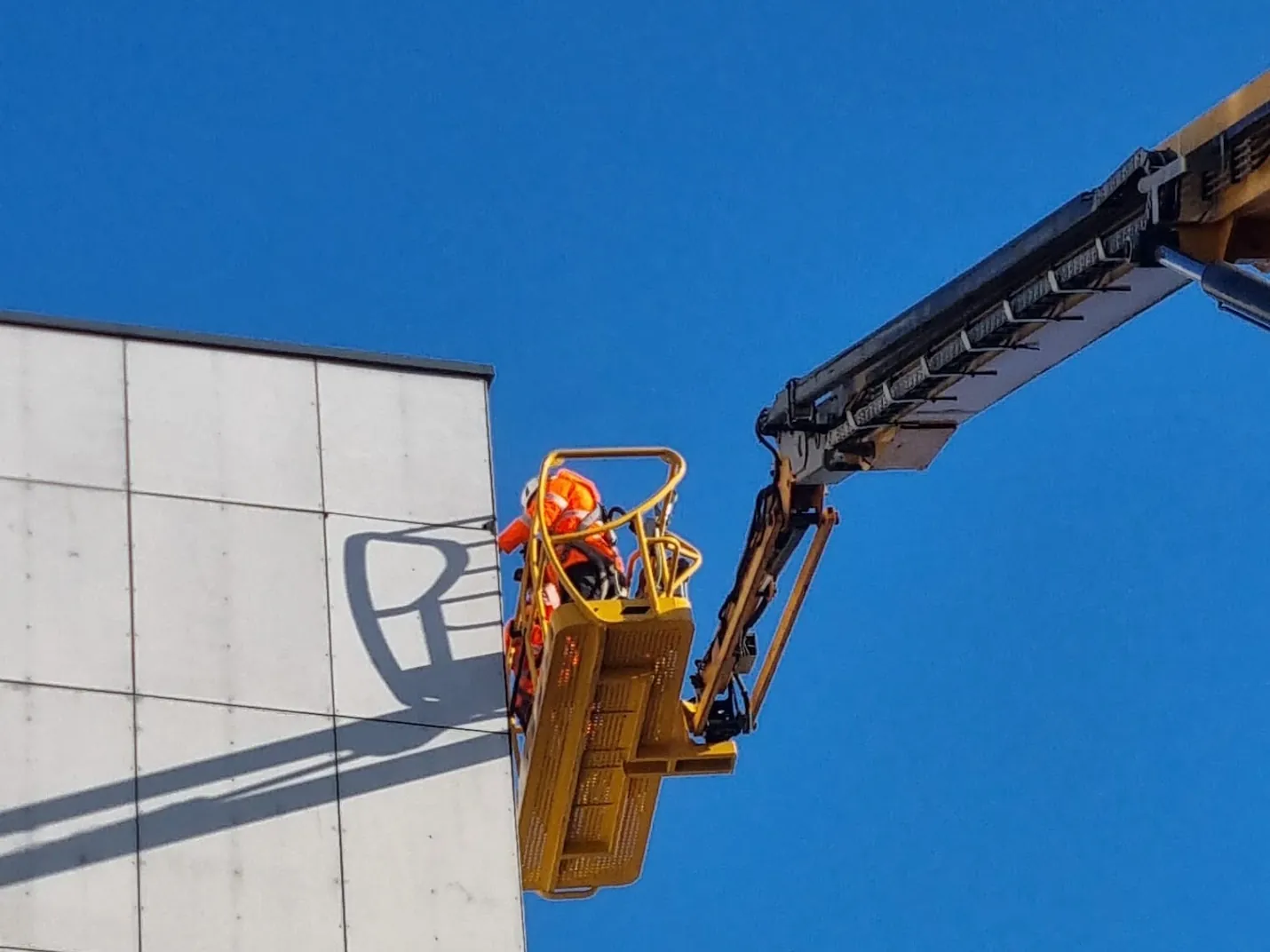
As a lightning protection company, we send engineers to conduct a site visit and inspect the building's structure, materials and taller objects nearby. We log every cable and pipe entering, as incoming lines let surges in. If you already have an installed lightning protection system, we carry out a quick check and count it in the risk left over.
The process involves a site walk, a drawing review and analysis. We assess the property, its environment, taller structures and power infrastructure.
How Do We Work Out the Risk?
+We identify the risks that apply, run the risk calculations and compare each value with the tolerable limit. Lightning flash density, the number of flashes per square kilometre each year, is one of the factors. If a value is over the limit, lightning protection measures are required, and this analysis shows which structures come first.
The plain English report gives the risk values, the lightning protection measures we recommend and how to mitigate each risk. The outcome is clear, it follows BS EN 62305 for compliance, and it can support an insurance claim or safety audit.
What the Latest UK Standard Means for Your Lightning Risk Assessment
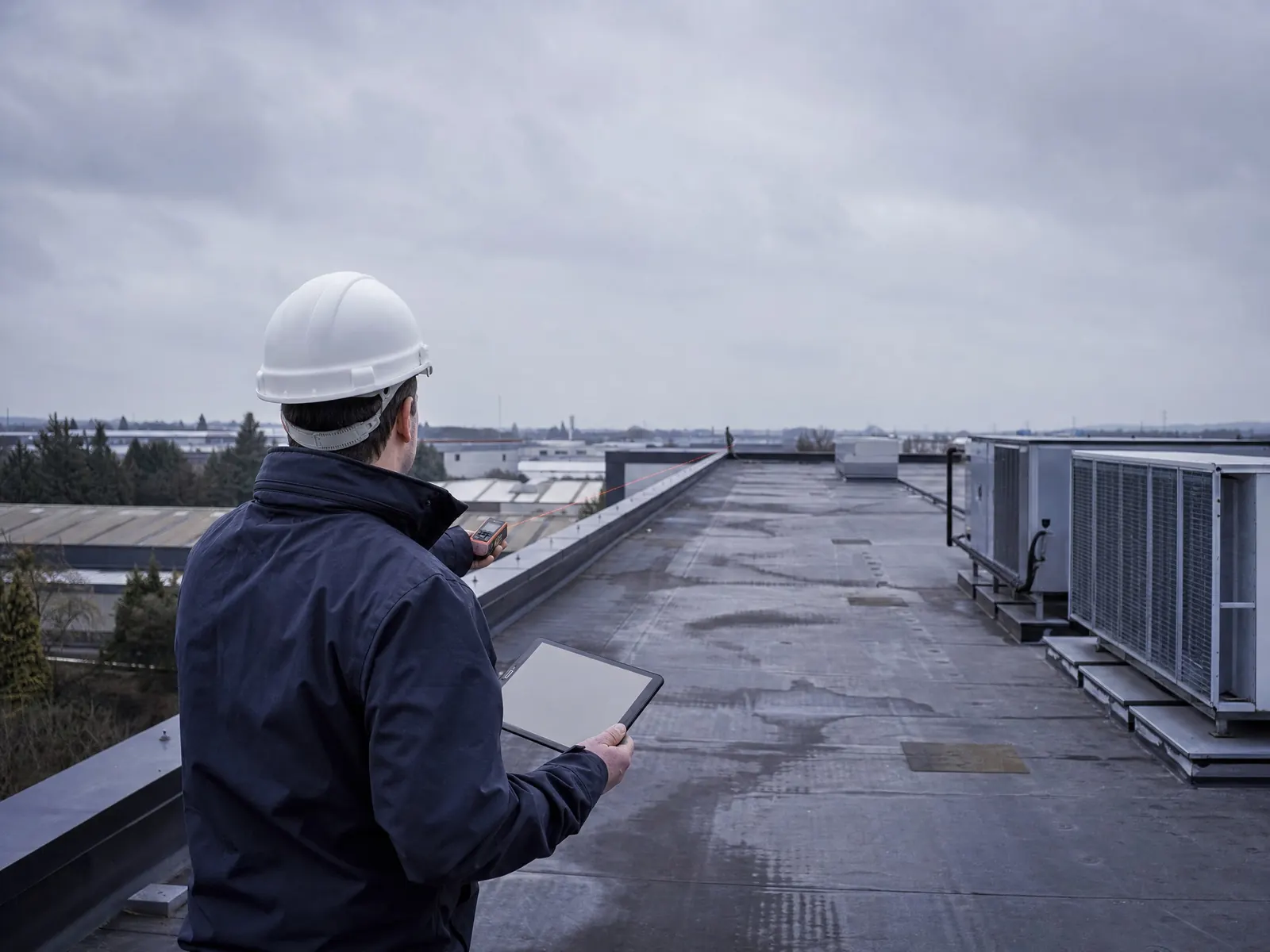
The current UK standard is BS EN IEC 62305-2:2024, published as a British Standard in March 2025. The new standard uses lightning ground strike-point density instead of the older flash-density approach. It also counts system availability, people in open areas and approved thunderstorm warning systems as ways to reduce risk.
No height makes every UK building need protection. Our lightning risk assessment weighs size, materials, location, usage, occupancy, connected services and the damage a strike could do to the structure. Review the assessment, and your lightning protection system, after any significant structural, occupancy or use change, so your compliance stays current.
 BS EN 62305-2
 High risk
What Lightning Protection Looks Like When Risk Is High
Our lightning protection risk assessment feeds into lightning protection system design, and good lightning protection design helps you comply with BS EN 62305. Lightning protection is more than a lightning rod on the roof.
A full lightning protection system can include a lightning rod, air terminals, earthing systems, bonding and surge protection, plus measures for sensitive electronic systems. Its job is to take a lightning strike safely to earth.
Surge protection at the intake may not be sufficient for critical systems and infrastructure. Extra devices near the equipment divert excess energy away from it, and our analysis determines where they go in your system. Structural damage is easy to see, while a wrecked server costs more.
UK Lightning Facts That Show the Risk Is Real
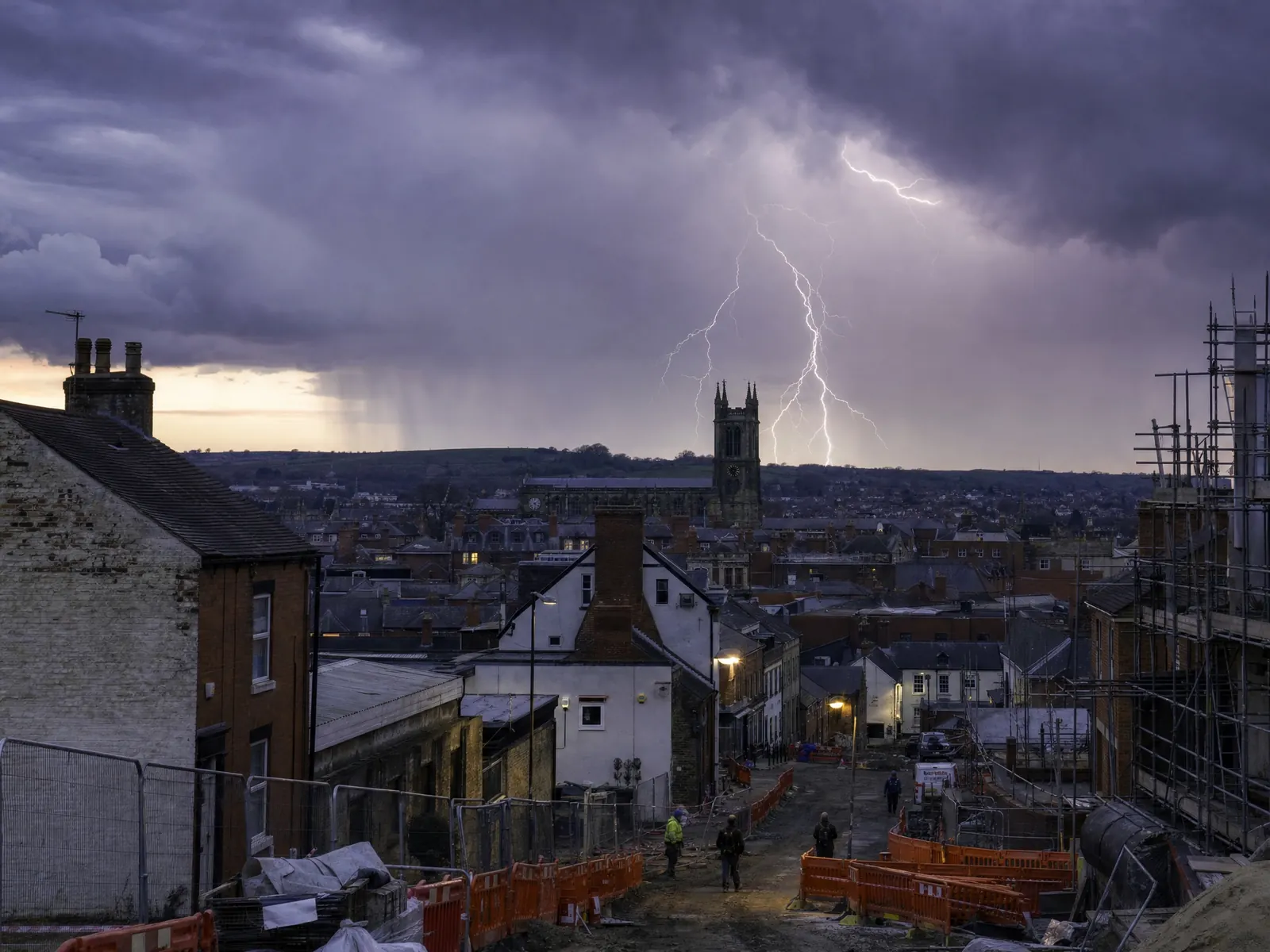
The UK sees an estimated 200,000 to 300,000 lightning strikes each year. That averages roughly 550 to 820 a day, mostly in short, local storms. Between 17 and 21 July 2014, more than 62,000 strikes were recorded in five days.
The East Midlands, East Anglia and the south east see about 15 to 20 thunder days a year in places, against fewer than five in many western coastal districts and much of central and northern Scotland.
A bolt can heat the air to about 30,000°C, around five times hotter than the surface of the Sun. It is typically two to three miles long and can reach the ground up to ten miles from the centre of a storm. If you can hear thunder, you are already close enough to be at risk.
The Met Office network, ATDnet, runs 24 hours a day, 365 days a year. It picks up around 90% of cloud-to-ground lightning over Europe, with typical accuracy of one to two kilometres. Lightning still causes around two deaths and about 30 injuries a year in the UK.
 UK facts
How Much Does a Lightning Protection Risk Assessment Cost?
These are our rough prices based on recent projects, before VAT:
- Small building, such as a village hall: around £400.
- Mid-sized site, such as a school block or care home: around £800.
- Large or complex site, such as a factory or campus: around £1,500 to £2,500.
The price is a rough guide and the actual cost varies from site to site. Please use our contact form for an accurate quote.
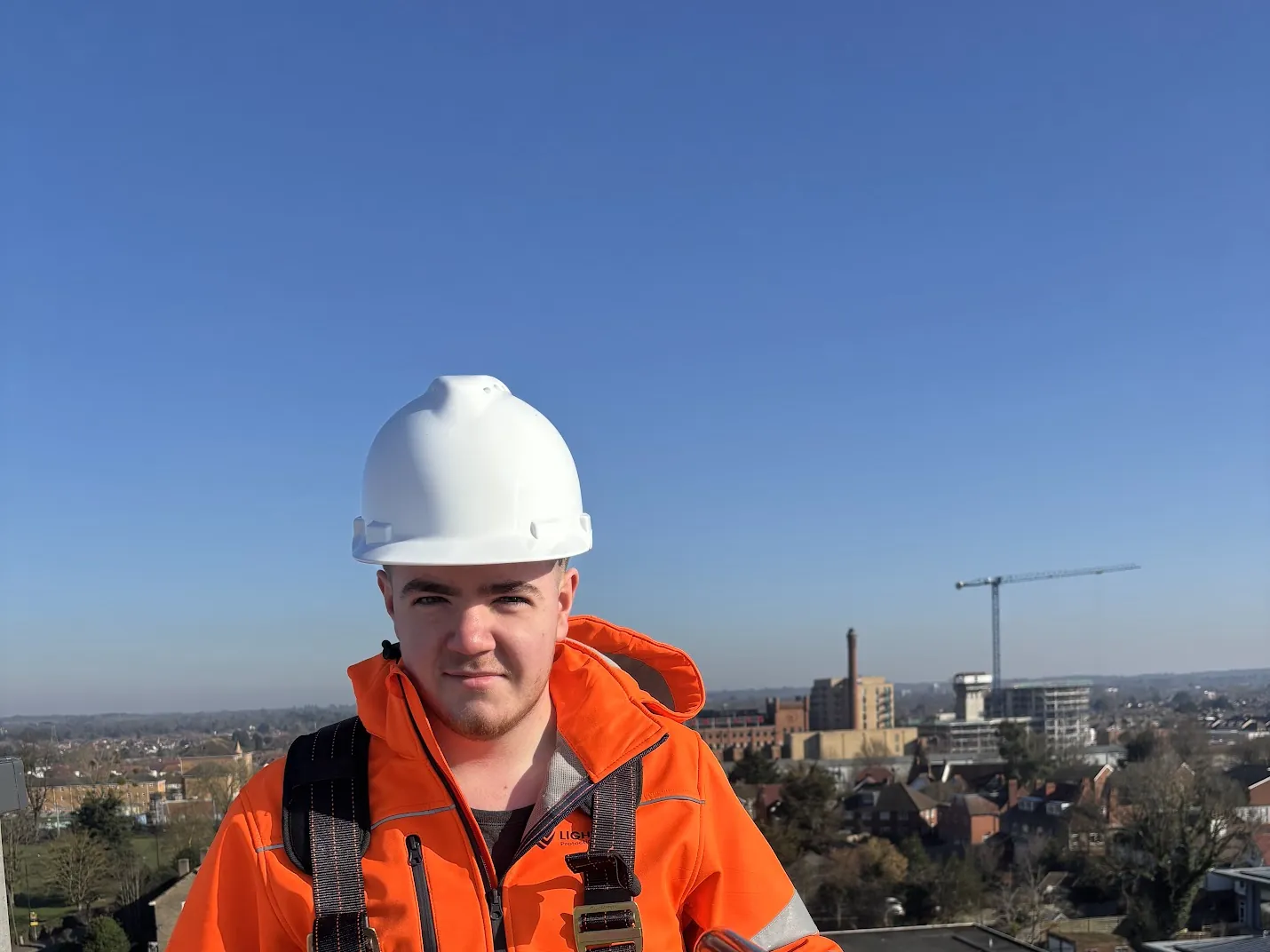 Our team
Why Choose Lightning Protection Testing UK for Your Assessment?
We work UK wide on all kinds of buildings. Our team has the knowledge to read BS EN 62305, make compliance simple and support you throughout. Our lightning protection risk assessment process is simple. Our lightning protection engineers carry out every visit, identify weak points and keep your site protected.
If the risk is too high, the next step can involve lightning protection installation, and we offer practical solutions such as a new lightning protection system. Once installed, a lightning protection system needs regular testing and maintenance, which are essential to keep it protected. Our lightning protection testing service checks that your system keeps performing as it should.
Get a Free Lightning Protection Risk Assessment Quote From Lightning Protection Testing UK
Tell us about your site and its lightning protection. Get in touch using our contact form and Lightning Protection Testing UK will send your free quote.
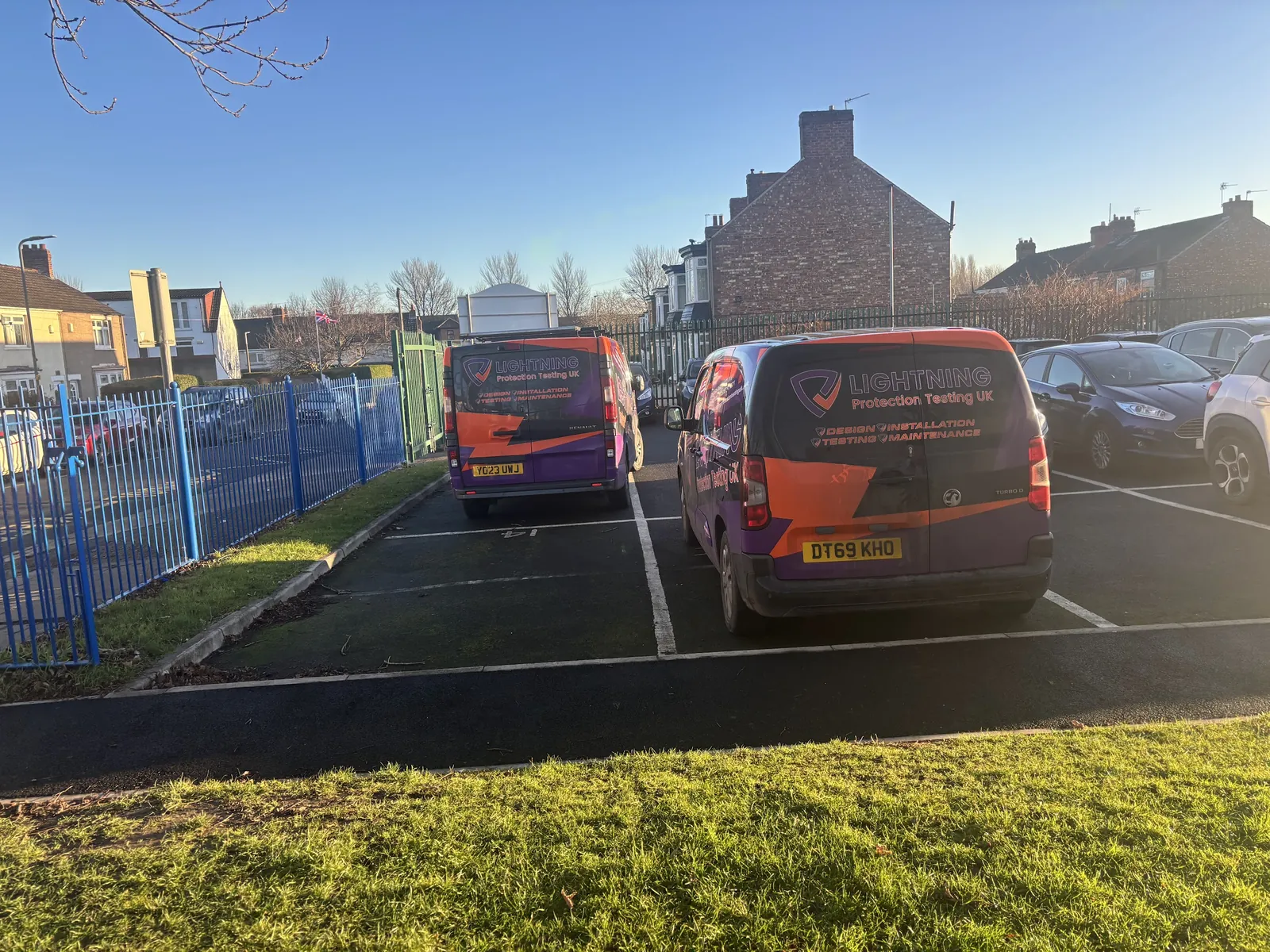 Free quote
Lightning risk assessment FAQs
How much does a lightning protection risk assessment cost?
A lightning protection risk assessment costs around £400 for a small, simple building such as a village hall or small office, around £800 for a mid-sized site such as a school block, warehouse or care home, and around £1,500 to £2,500 for a large or complex site, all before VAT. These figures are a rough guide and the actual cost varies from site to site, so contact us for a free quote.
Is a lightning protection risk assessment a legal requirement in the UK?
A lightning protection risk assessment is close to a legal requirement for many UK sites, because the Management of Health and Safety at Work Regulations expect employers to assess risks to staff and visitors. Insurers also often ask for the report, so it is more than just good practice.
What does a lightning protection risk assessment include?
A lightning protection risk assessment includes a site visit to inspect the structure, materials and taller objects nearby, plus a record of every cable and pipe entering the building. We then run the risk calculations, compare each value with the tolerable limit and give you a plain English report with our recommended lightning protection measures.
Does my building need lightning protection?
Your building needs lightning protection only if a lightning protection risk assessment shows the risk is over the tolerable limit, as no height makes every UK building need it. The assessment weighs location, use, occupancy, connected services and the damage a strike could cause. Tall, isolated sites, schools, churches and shopping centres tend to be higher risk, so ask us for a free quote.
Which standard is used for a lightning protection risk assessment in the UK?
BS EN 62305 is the standard used for a lightning protection risk assessment in the UK, and BS EN 62305-2 sets out the risk assessment method. We run every assessment to BS EN 62305, and the current edition, BS EN IEC 62305-2:2024, was published as a British Standard in March 2025.
What happens if a lightning protection risk assessment shows the risk is too high?
If a lightning protection risk assessment shows the risk is too high, the report recommends lightning protection measures, and the lightning protection system design is matched to that risk. A full system can include air terminals, earthing systems, bonding and surge protection, plus measures for sensitive electronic systems.